Greek Food: The Complete Guide to Traditional Dishes, Flavors & Where to Eat
Updated October 2026 • 10-minute read • By Muhammad Naseem
Greek food is simple, colorful and deeply satisfying. Think crisp cucumbers, juicy tomatoes, tangy feta, smoky grilled meat and a generous drizzle of olive oil. It is no surprise that people search for it every day, whether they want a recipe, a dish name or a good restaurant nearby.
This guide explains what Greek food is, which dishes are worth trying first, how it compares with other comfort cuisines, and how to find the best Greek food near you.
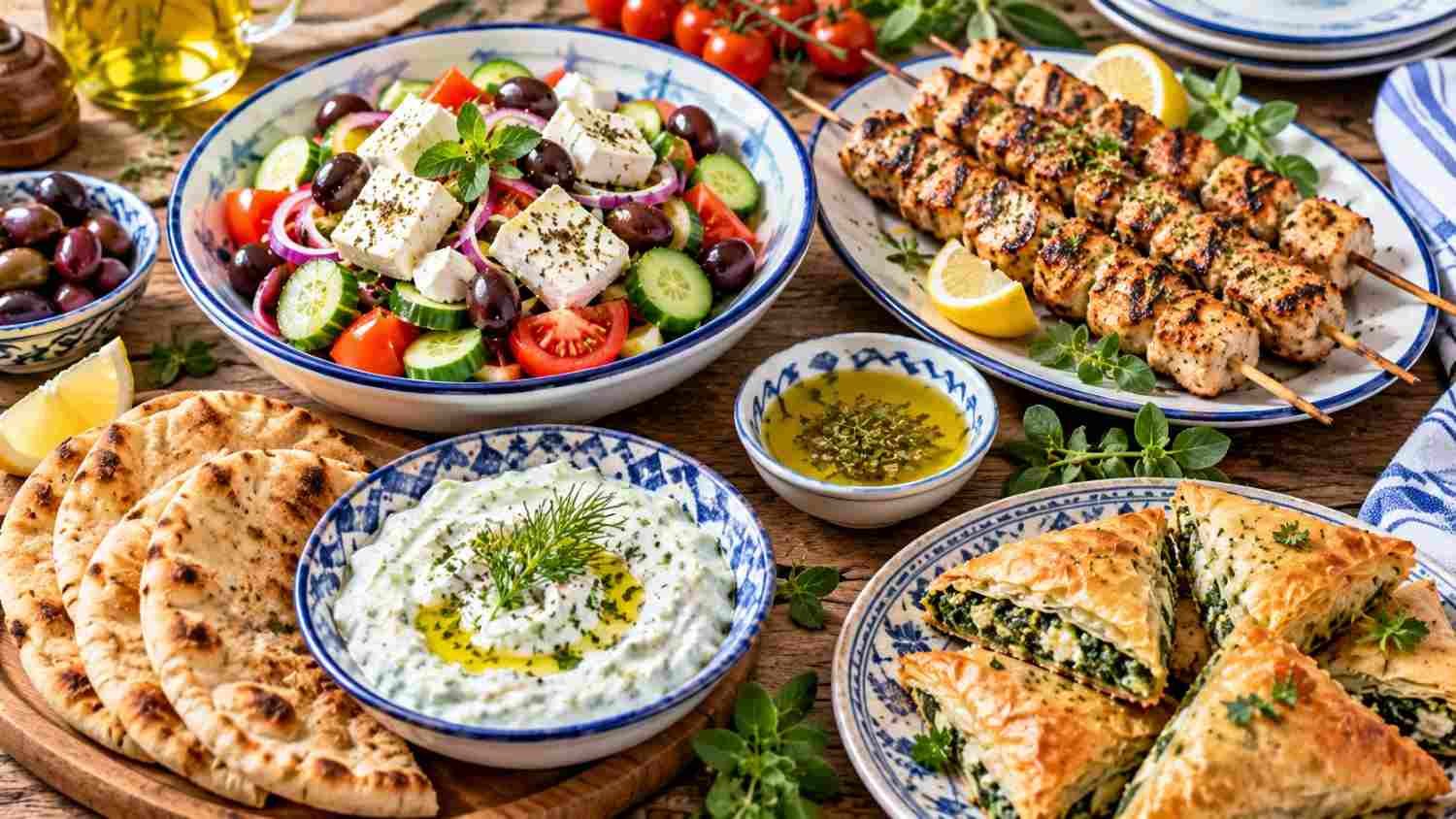
What Is Greek Food?
Greek food is the culinary tradition of Greece and its islands. It grew from a mild climate, rocky coastlines, olive groves and centuries of trade. The result is a cuisine that values fresh, seasonal ingredients over heavy sauces.
Regional styles differ. Northern Greece leans on hearty pies, peppers and meat. The islands favor seafood, capers and fresh cheeses. Crete is known for wild greens, snails and some of the world’s most celebrated olive oil.
Religion shapes the table too. The Greek Orthodox calendar includes many fasting days, so Greece has a rich repertoire of plant-based dishes such as fasolada (white bean soup) and gigantes (baked giant beans).
Is Greek Food Mediterranean?
Yes. Greek food is one of the pillars of the Mediterranean diet. UNESCO added the Mediterranean diet to its list of Intangible Cultural Heritage of Humanity in 2010 and later expanded the listing to include Greece among other countries.
Key Ingredients in Greek Cuisine
A handful of ingredients appear in almost every Greek kitchen:
- Olive oil: used for cooking, dressing and finishing dishes.
- Feta: a brined sheep’s (or sheep-and-goat) milk cheese. Authentic feta has had protected designation of origin status in the European Union since 2002.
- Greek yogurt: thick and tangy, the base of tzatziki.
- Herbs: oregano, mint, dill, thyme and parsley.
- Lemon: brightens grilled meat, fish, soups and potatoes.
- Legumes and vegetables: chickpeas, lentils, eggplant, zucchini, spinach, tomatoes.
- Phyllo dough: paper-thin pastry for pies and desserts.
- Honey and nuts: the backbone of Greek sweets.
Famous & Popular Greek Food to Try
New to the cuisine? This list of popular Greek food covers the dishes most often ordered in Greece and abroad. A fuller list of essential Greek dishes is available at Food & Wine.
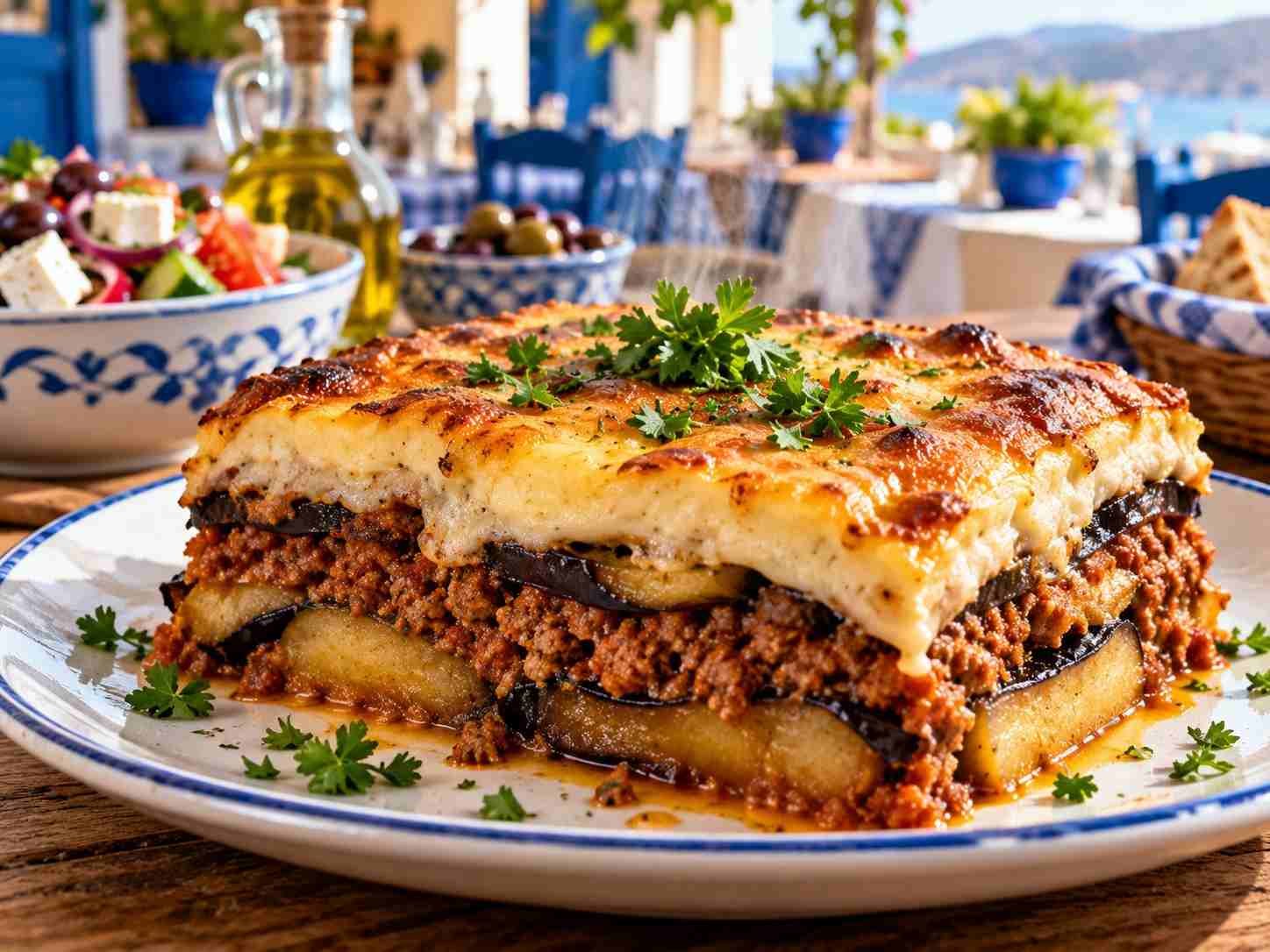
Traditional Greek Food: Mains
- Moussaka: layers of eggplant, spiced meat sauce and creamy béchamel, baked until golden.
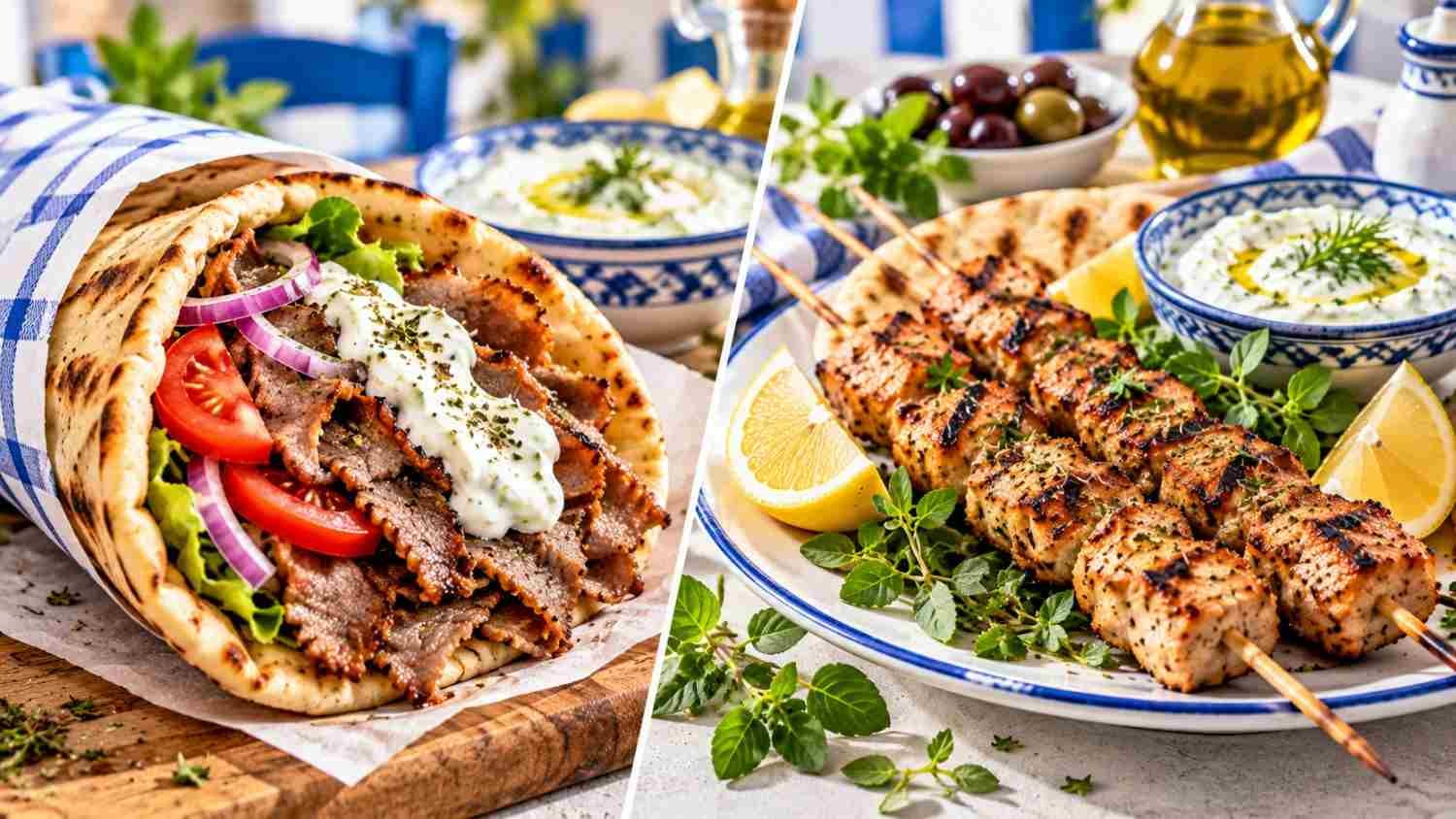
- Souvlaki: small pieces of grilled meat on a skewer, often served with pita, onion and tzatziki.
- Gyro: sliced meat from a vertical rotisserie, wrapped in warm pita with tomato, onion and sauce.
- Pastitsio: baked pasta with seasoned meat and béchamel, sometimes called Greek lasagna.
- Gemista: tomatoes and peppers stuffed with rice and herbs.
- Kleftiko: lamb slow-cooked until fork-tender.
- Stifado: a rich stew of beef or rabbit with small onions.
- Grilled octopus: a seaside classic, often served with olive oil and lemon.
Greek Appetizers & Meze
- Tzatziki: yogurt, cucumber, garlic and olive oil.
- Spanakopita: spinach and feta in crisp phyllo.
- Dolmades: grape leaves stuffed with rice and herbs.
- Saganaki: pan-fried cheese, often finished with lemon.
- Taramasalata: a creamy fish roe dip.
- Keftedes: herbed Greek meatballs.
- Fava: a smooth puree of yellow split peas.
Greek Soups & Salads
- Horiatiki (Greek salad): tomato, cucumber, onion, olives and a slab of feta. Traditional versions skip lettuce.
- Avgolemono: chicken soup thickened with egg and lemon.
- Fasolada: often called the national dish, a humble white bean soup.
Greek Desserts
- Baklava: phyllo, nuts and honey syrup.
- Loukoumades: fried dough balls with honey and cinnamon.
- Galaktoboureko: custard baked in phyllo and soaked in syrup.
- Bougatsa: a custard or cheese pastry often eaten at breakfast.
Greek Food Names at a Glance
| Dish | Category | Main Flavors | Good For |
|---|---|---|---|
| Moussaka | Main | Eggplant, cinnamon, béchamel | Comfort food lovers |
| Souvlaki | Main | Grilled meat, lemon, oregano | Quick lunch |
| Spanakopita | Appetizer | Spinach, feta, dill | Vegetarians |
| Horiatiki | Salad | Tomato, olive, feta | Light meals |
| Fasolada | Soup | White beans, olive oil | Plant-based diets |
| Baklava | Dessert | Honey, walnut, phyllo | Sweet cravings |
Gyro vs. Souvlaki: What’s the Difference?
Many people searching for “gyro Greek food” want to know how it differs from souvlaki. The cooking method is the main clue.
| Feature | Gyro | Souvlaki |
|---|---|---|
| Cooking style | Meat stacked and roasted on a vertical spit | Cubes of meat grilled on a skewer |
| Texture | Thinly shaved, tender | Charred, juicy chunks |
| Typical meat | Pork, chicken, or lamb and beef blend | Pork or chicken |
| Served | In pita or on a plate | On the skewer, in pita, or on a plate |
Ancient Greek Food: What Did Greeks Eat Thousands of Years Ago?
The ancient Greek diet was built on what grew locally. Historians often describe a base of cereals, olives and grapes, often called the Mediterranean triad of grain, olive and vine.
- Bread and barley cakes: barley was a daily staple.
- Olives and olive oil: for eating, cooking and lighting lamps.
- Figs, grapes and honey: the main sweeteners and snacks.
- Cheese and legumes: affordable protein.
- Fish and seafood: common near the coast, while meat was mostly reserved for festivals and sacrifices.
- Wine: usually diluted with water and drunk at gatherings called symposia.
Tomatoes, potatoes and peppers did not exist in Greece yet. They arrived after the Columbian exchange, so ancient Greek meals looked quite different from a modern Greek salad. For more background, see the history of Greek cuisine.
Is Greek Food Healthy?
Largely, yes. The Mediterranean-style pattern behind Greek cooking is among the most studied diets in the world. The PREDIMED trial in Spain found that people following a Mediterranean diet supplemented with extra-virgin olive oil or nuts had roughly 30% fewer major cardiovascular events than a control group. The study was re-analyzed and republished in 2018 with similar conclusions.
Healthier Choices
- Horiatiki, grilled fish, grilled chicken souvlaki
- Bean dishes like fasolada and gigantes
- Tzatziki and hummus-style dips with vegetables
Enjoy in Moderation
- Saganaki and fried zucchini
- Large portions of moussaka or pastitsio
- Syrup-soaked desserts like baklava
How to Find the Best Greek Food Near Me
“Greek food near me” is one of the most searched food phrases, and the quality gap between restaurants can be big. Use this checklist:
- Read recent reviews. Look for mentions of fresh pita, house-made tzatziki and well-seasoned meat.
- Check the menu. A focused menu with grilled items, meze and a real horiatiki is a good sign.
- Look for Greek ingredients. Feta in a block, quality olive oil and oregano signal care.
- Ask what’s made daily. Dips, spreads and pies taste best fresh.
- Try a classic first. A gyro or moussaka reveals a kitchen’s skill quickly.
If you enjoy exploring comfort cuisines, compare Greek flavors with the rich, slow-cooked traditions of soul food, or look at fresher, plant-forward menus like True Food Kitchen. You can find more dining guides on the Fast Food Open blog.
Greek Food vs. Other Popular Cuisines
| Cuisine | Style | Signature Fat | Typical Feel |
|---|---|---|---|
| Greek | Fresh, grilled, herb-forward | Olive oil | Light to medium |
| Soul food | Slow-cooked, seasoned, hearty | Butter, lard, oils | Rich and filling |
| Health-focused kitchen | Seasonal, plant-forward | Plant oils | Light and fresh |
Greek Food Festivals
A Greek food festival is one of the best ways to taste the cuisine in a single afternoon. In the United States, many are run by local Greek Orthodox churches and feature live music, dancing and homemade dishes. Cities such as Las Vegas and Dallas host popular events each year.
- Expect gyros, souvlaki, spanakopita, loukoumades and baklava.
- Arrive early, since popular pastries can sell out.
- Check the host church’s website for dates, as they change yearly.
- Bring cash in case card readers are limited.
Cooking Greek Food at Home: Easy Tips
Looking for Greek food recipes? Start simple. The cuisine rewards good ingredients more than complicated technique.
- Use full-fat Greek yogurt for creamy tzatziki, and squeeze the grated cucumber dry.
- Marinate meat in lemon, olive oil, garlic and oregano for at least two hours.
- Buy block feta in brine. It tastes better than pre-crumbled versions.
- Brush phyllo with oil between layers and keep unused sheets under a damp towel.
- Finish with fresh lemon just before serving.
Starter Recipe Ideas
- Horiatiki salad (10 minutes)
- Chicken souvlaki with tzatziki (30 minutes plus marinating)
- Spanakopita triangles (about 1 hour)
Greek Food FAQ
What is Greek food?
Greek food is the traditional cuisine of Greece, built on olive oil, vegetables, legumes, feta, herbs, seafood and grilled meats. Well-known dishes include moussaka, souvlaki, gyros, spanakopita and Greek salad.
Is Greek food Mediterranean?
Yes. Greek food is a core part of the Mediterranean diet, which emphasizes olive oil, vegetables, legumes, fish and whole grains.
Is Greek food healthy?
Much of it is. Salads, grilled fish, beans and yogurt-based dips are nutritious, while fried dishes and syrupy pastries are best eaten in moderation.
What is the most famous Greek food?
Moussaka, souvlaki, gyros, spanakopita and Greek salad are the most famous Greek foods worldwide.
How do I find the best Greek food near me?
Search “Greek food near me” on Google Maps, compare recent reviews, look for house-made tzatziki and fresh pita, and check local Greek festivals for authentic homemade dishes.
Conclusion
Greek food proves that great flavor does not need complicated recipes. From moussaka and souvlaki to spanakopita and baklava, the cuisine combines fresh ingredients, bold herbs and good olive oil into meals that feel both comforting and balanced.
Start with a few classics, learn the difference between a gyro and souvlaki, and use the tips above to find authentic Greek food near you. Then keep exploring on the Fast Food Open blog, where you can also read about soul food and True Food Kitchen.
Visit Fast Food Open for more food guides.