Soft Food Diet After Surgery: What to Eat, What to Avoid and How Long It Lasts
A practical, dietitian-informed guide with food lists, timelines, sample meals and recipes
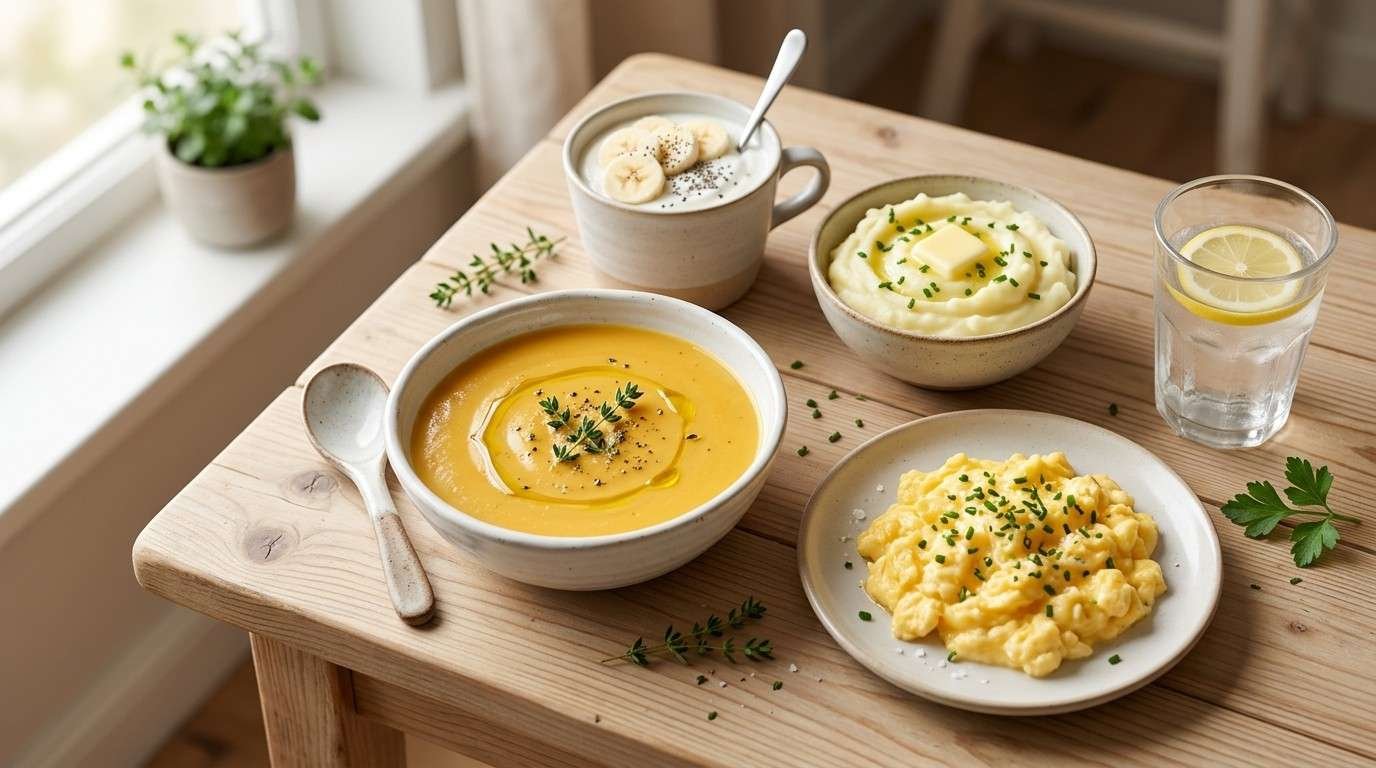
Waking up from an operation brings a surprising new question: what is actually safe to eat? A soft food diet after surgery answers that question. It gives healing tissue a break while still delivering the protein, vitamins and fluids the body needs to repair itself.
The challenge is that “soft” means different things after different operations. A person who just had wisdom teeth removed needs something very different from a person recovering from gastric sleeve surgery or bowel surgery. This guide explains the basics, then breaks down the differences, so readers can follow their surgeon’s plan with less guesswork.
Quick answer: A soft food diet after surgery means eating foods that are tender, moist and easy to chew, swallow and digest, such as eggs, yogurt, oatmeal, mashed potatoes, well-cooked vegetables and flaked fish. Hard, crunchy, chewy, sticky and very spicy foods are avoided until the surgeon says it is safe to move on.
- What is a soft food diet after surgery?
- Why surgeons recommend it
- Soft vs. liquid vs. pureed diets
- List of soft food diet after surgery
- Foods to avoid
- How long it lasts by surgery type
- Gastric sleeve and bariatric stages
- Meal ideas and recipes
- Protein, fluids and nutrition
- Practical tips
- Eating out safely
- FAQs
What Is a Soft Food Diet After Surgery?
A soft food diet is an eating plan built around foods that are soft in texture, low in fiber and easy to digest. Clinicians sometimes call it a GI soft diet or a bland diet. The aim is simple: avoid irritating or injuring the mouth, throat, stomach or intestines while still supporting a balanced intake.
Doctors may prescribe it after surgery on the mouth, jaw, throat, stomach or bowel. It is also used after some illnesses and for people who have trouble chewing or swallowing. In every case it is meant to be temporary, and the surgical team decides when to progress to regular food.
Good to know: Soft does not have to mean boring or nutrient-poor. A well-planned soft diet can include dairy, eggs, fish, tender poultry, soft grains, cooked produce and plenty of fluids.
Why Surgeons Recommend a Soft Food Diet
Protecting the surgical site
After oral surgery, hard or sharp food can disturb a blood clot or irritate stitches. After stomach, intestinal or bariatric surgery, rough or bulky food can strain tissue that is still healing.
Reducing pain and swelling
Chewing is uncomfortable when the jaw is sore. Cool, smooth foods such as yogurt or applesauce are often easier to tolerate and can feel soothing.
Lowering the risk of complications
Food particles trapped near an extraction site can raise the risk of infection. Eating too much, too fast, or the wrong texture after digestive surgery can cause pain, nausea or vomiting.
Keeping nutrition on track
The body needs extra building blocks during recovery. Soft, protein-rich choices let patients eat enough even when appetite and chewing ability are limited.
Soft Diet vs. Liquid Diet vs. Pureed Diet
These terms are often mixed up, and mixing them up can lead to eating the wrong texture. The table below compares them.
| Diet type | Texture | Chewing needed? | Typical examples |
|---|---|---|---|
| Clear/full liquid | Pours easily, no solids | None | Broth, milk, protein shakes, strained soups |
| Pureed | Completely smooth, no lumps | None | Blended chicken, smooth lentil soup, pureed fruit |
| Mechanical soft | Moist, mashable with a fork | Minimal | Scrambled eggs, flaked fish, mashed vegetables |
| Soft (GI soft) | Tender, low fiber, gentle on digestion | Light | Oatmeal, cottage cheese, cooked carrots, tender poultry |
| Regular | All textures | Full | Everything, once cleared |
Pureed foods are allowed on a soft diet, but a pureed diet is stricter. Anyone unsure which stage applies should ask the surgical team rather than guess.
List of Soft Food Diet After Surgery: What to Eat
This list of soft food diet after surgery choices covers the food groups most care teams approve. Always check it against personal instructions first.
| Food group | Good soft choices | Why it helps |
|---|---|---|
| Protein | Scrambled or poached eggs, flaked fish, ground or shredded tender chicken, soft tofu, well-cooked lentils and beans | Supports tissue repair and muscle maintenance |
| Dairy and alternatives | Greek yogurt, cottage cheese, milk, kefir, soft cheese, fortified soy yogurt | Protein and calcium in an easy texture |
| Grains and starches | Oatmeal, cream of wheat, mashed potatoes, soft pasta, white rice, soft pancakes | Energy without roughness |
| Vegetables | Cooked carrots, squash, spinach, peeled zucchini, mashed sweet potato | Vitamins when cooked until fork-tender |
| Fruit | Bananas, applesauce, canned peaches or pears, ripe melon, smoothies | Vitamins and fluids; low-fiber options |
| Soups and extras | Blended soups, broth, pudding, custard, smooth hummus | Hydration and calories when appetite is low |
What to eat on a soft food diet after surgery: by meal
Breakfast
- Soft scrambled eggs with a little grated cheese
- Oatmeal cooked with milk and mashed banana
- Greek yogurt with applesauce
Lunch
- Blended vegetable and lentil soup
- Tuna or salmon mashed with a little yogurt or mayonnaise
- Cottage cheese with soft canned peaches
Dinner
- Baked fish flaked over mashed potatoes
- Tender slow-cooked chicken with soft carrots
- Soft pasta with a smooth, mild sauce
Snacks
- Pudding, custard or smooth rice pudding
- Protein smoothie (a spoon, not a straw, after oral surgery)
- Soft cheese, hummus or mashed avocado
Tip: Serve food lukewarm rather than piping hot. Very hot food can irritate a healing mouth, and very cold food can bother sensitive teeth.
Foods to Avoid on a Soft Food Diet After Surgery
Usually fine
- Moist, tender, well-cooked foods
- Smooth or creamy textures
- Mild seasoning
- Small, frequent meals
- Plenty of water between meals
Usually avoided
- Nuts, seeds, popcorn, chips and crackers
- Tough or chewy meats such as steak
- Raw vegetables and fruit with skins
- Spicy, acidic or heavily fried foods
- Sticky foods like caramel or taffy
Important: After oral surgery, many surgeons advise skipping straws, hot drinks in the first hours and alcohol. After bariatric surgery, carbonated drinks, caffeine and sugary foods are commonly restricted. Individual rules always override general lists.
How Long Does a Soft Food Diet Last After Surgery?
Duration depends on the procedure, the person’s healing and the surgeon’s protocol. The ranges below are typical, not promises.
| Type of surgery | Typical soft diet period | Notes |
|---|---|---|
| Wisdom teeth / tooth extraction | A few days to about one week | Liquids and very soft foods first, then slowly add firmer foods as comfort allows |
| Dental implants or jaw surgery | Several days to a few weeks | Often longer than a simple extraction; follow the oral surgeon’s plan |
| Abdominal or bowel surgery | Set by the surgeon | Usually progresses from liquids to a low-fiber soft diet, then back to regular food |
| Gastric sleeve / bypass | About two weeks in many UK-style programs | One stage of a multi-week plan: liquids, purees, soft foods, then regular textures |
Many oral surgery guides suggest soft foods for roughly the first two to three days, with a return to a normal diet around the one-week mark for most patients. Others recommend a full week or longer. That spread is exactly why the personal instruction sheet matters most.
Gastric Sleeve Soft Food Diet After Surgery
Bariatric patients follow the most structured plan of all. Health services such as the NHS publish stage-by-stage leaflets, and the pattern is similar across many programs:
- Stage 1, smooth liquids: around two weeks, taken in small sips.
- Stage 2, pureed foods: around two weeks, completely smooth with no lumps, often with extra protein added.
- Stage 3, soft foods: around two weeks, well-cooked foods that mash easily with a fork.
- Stage 4, regular textures: usually from about week seven onwards, as the team advises.
Portion sizes and protein
During the soft stage, many programs suggest three to five small meals a day, each around one-third to one-half cup of food, chewed until it reaches a pureed consistency before swallowing. Many bariatric teams set a daily protein goal of roughly 60 to 80 grams, but the exact figure is individual.
Bariatric-friendly soft proteins
- Moist flaked fish
- Soft scrambled eggs
- Minced or ground poultry
- Cottage cheese and soft cheese
- Well-cooked, mashed legumes
Do not rush the stages. Eating too much, too fast, or introducing solid foods too early can cause pain, nausea and vomiting. Many programs also advise drinking between meals rather than with them, and taking prescribed vitamins daily.
Ideas for Soft Food Diet After Surgery: Easy Recipes
These soft food diet after surgery recipes need few ingredients and almost no chewing. Adjust any of them to the surgeon’s guidance.

1. Creamy scrambled eggs
Whisk two eggs with a splash of milk. Cook slowly over low heat, stirring until just set and moist. Season lightly with salt. Eggs are a quick source of protein and swallow easily.
2. Silky butternut squash soup
Simmer peeled, cubed squash with a little onion and low-sodium broth until very tender. Blend until smooth and thin with warm milk if needed. Stir in a spoon of Greek yogurt for extra protein.
3. Banana-oat protein smoothie
Blend one ripe banana, half a cup of cooked, cooled oats, a cup of milk and a spoon of plain yogurt. Drink with a spoon after mouth surgery.
4. Flaked fish with mashed potato
Bake a skinless white fish fillet with a little olive oil until it flakes. Serve over smooth mashed potato with a spoon of the cooking juices so the fish stays moist.
5. Lentil and carrot mash
Cook red lentils and carrots in broth until falling apart. Mash or blend. This offers plant protein and gentle fiber for those cleared to eat it.
For more comforting, soft-friendly dishes from around the world, readers can explore Syrian food (lentil soups and smooth hummus are classic examples) and Bosnian food, which includes hearty soups and slow-cooked dishes that can be softened or blended.
Protein, Fluids and Nutrition on a Soft Diet
Prioritize protein
Healing tissue relies on protein. Spread soft protein sources through the day instead of relying on one large meal. If appetite is small, a protein shake or fortified yogurt is a practical way to catch up.
Stay hydrated
Fluids prevent constipation and support recovery. Sip water, milk or broth steadily across the day unless the care team has set a different limit.
Watch for nutrient gaps
A restricted diet can be low in fiber and certain vitamins. Clinicians sometimes recommend a daily multivitamin for patients who cannot eat much variety. Herbal supplements should be cleared with a doctor first.
Fiber: when to add it back
Many soft diets after abdominal surgery are deliberately low in fiber at first, then rebuilt gradually. Introducing high-fiber foods too soon can cause cramping or gas, so patients should wait for the surgeon’s go-ahead.
Practical Tips for Eating Well While Healing
- Stock up before surgery. Fill the fridge and pantry with soft staples so no one has to shop while sore.
- Eat small and often. Five or six mini meals are usually easier than three big ones.
- Chew slowly and sit upright. Take small bites and avoid lying down right after eating.
- Batch cook. Soups, mashed vegetables and pureed beans freeze well in single portions.
- Season gently. Use herbs, a pinch of salt and mild spices instead of chili or vinegar.
- Keep a simple food log. Note what felt fine and what caused discomfort to share with the care team.
- Advance only when cleared. Feeling good is not the same as being ready for steak or crunchy snacks.
Soft diet at home for older adults
Seniors recovering from surgery often have smaller appetites. Fortifying foods with milk powder, yogurt or olive oil adds calories and protein without increasing portion size.
Eating Out on a Soft Food Diet After Surgery
Cooking is tiring during recovery, and sometimes a family member is the one picking up dinner. Eating out is possible with a bit of planning. Start by choosing places with soup, mashed potatoes, scrambled eggs, yogurt or soft rice dishes, and ask for sauces and dressings on the side.
When a late-night or weekend meal is needed, a guide to what fast food is open near me can help find a place that is serving, and the fast food near me current location page shows another route to nearby options. Patients should still choose carefully: milkshakes, soft-boiled or scrambled egg items, oatmeal and soups tend to work better than crispy, crunchy or very spicy items.
- Those with dietary needs can browse gluten-free fast food options and then pick the softest items.
- Soft rice, refried beans and mild fillings from Mexican fast food menus can be easier to manage than crunchy shells. Spicy salsa should be skipped after oral surgery.
- Holiday gatherings are around the corner. Christmas party food ideas can inspire soft-friendly side dishes such as mashed potatoes, creamy soups and puddings.
For more food guides, visit the FastFoodOpen blog or the FastFoodOpen home page.
When to Call the Surgeon or Dietitian
A soft diet should feel manageable. Patients should contact their care team promptly if they notice:
- Fever, worsening pain or swelling that is not improving
- Persistent nausea, vomiting or inability to keep fluids down
- Signs of dehydration, such as dark urine, dizziness or extreme thirst
- Bleeding that does not settle, or a foul taste or smell from the surgical site
- Trouble swallowing or food that feels stuck
Medical disclaimer: This article is general education, not personal medical advice. Always follow the written instructions from the surgeon, dentist or dietitian treating the patient.
Trusted Sources for Further Reading
Frequently Asked Questions About a Soft Food Diet After Surgery
How long should you follow a soft food diet after surgery?
It depends on the operation. After wisdom tooth or other oral surgery, many people eat soft foods for a few days to about a week. After bariatric surgery, soft foods are one stage of a multi-week plan set by the surgical team. After abdominal surgery, the surgeon decides when to advance.
What can you eat on a soft food diet after surgery?
Common choices include scrambled eggs, yogurt, cottage cheese, oatmeal, mashed potatoes, well-cooked vegetables, tender flaked fish, soft tofu, applesauce, bananas, smoothies and blended soups. The exact list depends on the type of surgery.
What foods should be avoided on a soft food diet after surgery?
Most surgeons advise avoiding hard, crunchy, chewy, sticky and very spicy foods, along with raw vegetables, nuts, seeds and tough meats. After oral surgery, drinking through a straw is also usually discouraged.
Is a soft food diet the same as a pureed diet?
No. A pureed diet is completely smooth with no lumps. A soft food diet allows foods that are tender and easy to mash with a fork. Pureed foods are allowed on a soft diet, but the reverse is not true.
How can you get enough protein on a soft food diet after surgery?
Choose soft protein sources such as eggs, Greek yogurt, cottage cheese, flaked fish, tender poultry, soft tofu and well-cooked beans, and spread them across several small meals. Bariatric patients should follow the protein target set by their care team.
Conclusion: Eating Soft, Healing Strong
A soft food diet after surgery is a short-term tool with a big job: protect the surgical site, keep pain low and make sure the body still gets the protein, fluids and nutrients it needs to heal. The right plan depends on the operation. Oral surgery patients often move on within days, while bariatric patients move through carefully timed stages over several weeks.
The safest approach is to build meals around tender proteins, soft grains, cooked produce and plenty of fluids, avoid anything hard, crunchy or irritating, and advance only when the care team gives the green light. With a little preparation and a stocked kitchen, recovery eating can be comforting rather than stressful.