Halal Food: Meaning, Rules, and How to Find the Best Options Near You
A clear, practical guide to halal food: what makes food halal, what to avoid, how certification works, and how to find trustworthy halal restaurants and food trucks in your city.
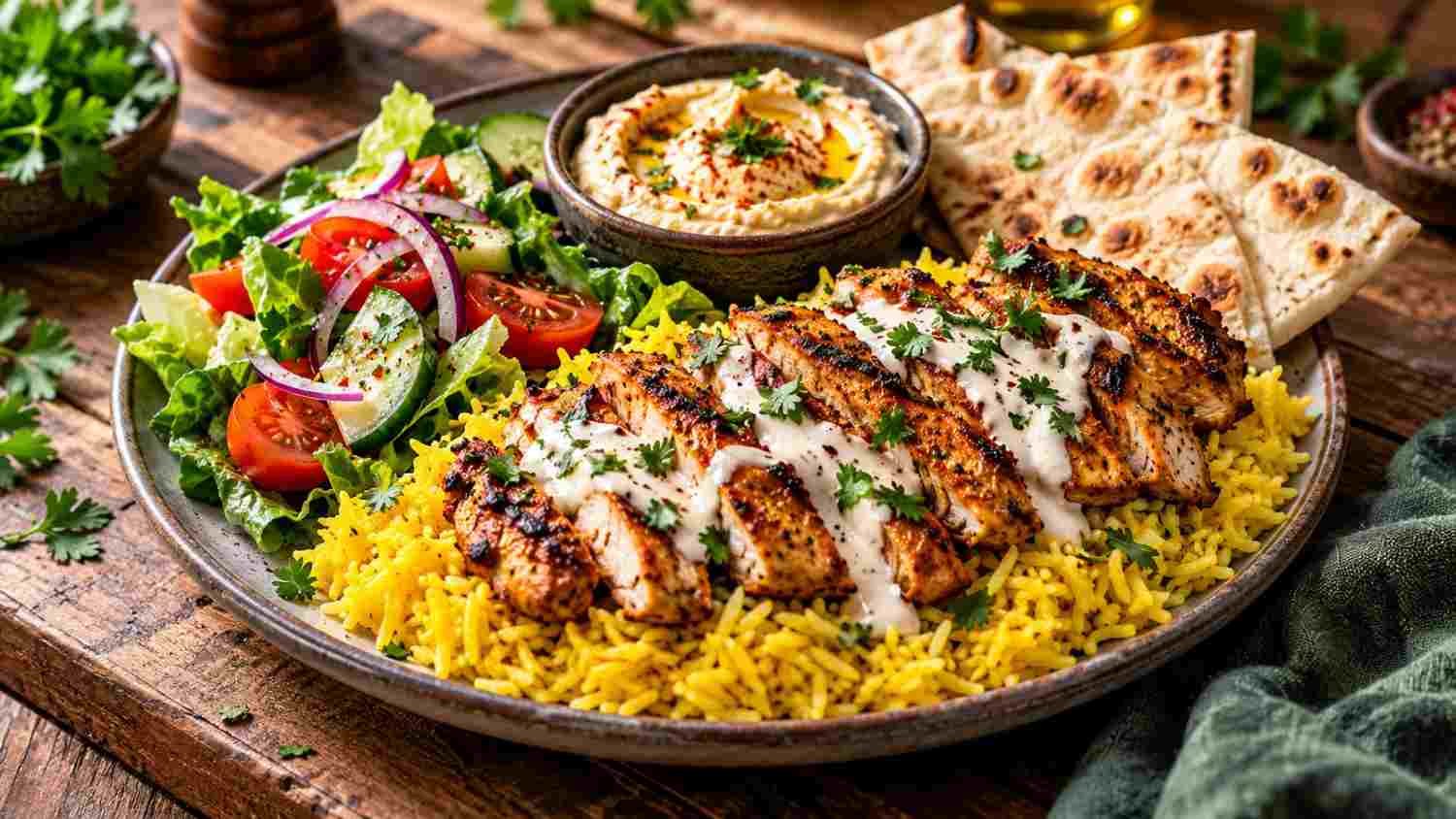
Halal food is no longer a niche topic. It sits on supermarket shelves, fills food trucks on busy street corners, and shows up on menus far beyond Muslim-majority countries. Whether someone is Muslim, curious, or simply tired of searching “halal food near me” with unclear results, the same questions come up again and again. What exactly makes food halal? Who decides? And how can a person be sure the chicken on the plate really qualifies?
This guide answers those questions in plain language. It covers the meaning of halal, the rules behind it, the most common hidden ingredients, certification, and a simple method for finding reliable halal food in any city.
- Halal means “permissible” in Arabic and covers ingredients, slaughter, preparation, and handling.
- Pork, alcohol, blood, and improperly slaughtered meat are the main exclusions.
- Hidden ingredients such as gelatin, lard, and some flavorings are the most common trouble spots.
- Certification helps, but a quick phone call to a restaurant often settles doubts faster.
What Is Halal Food? (Halal Food Meaning)
The word halal comes from Arabic and means “permissible” or “lawful.” In the context of food, halal food is any food that Islamic law allows Muslims to eat and drink. Its opposite is haram, which means “forbidden.”
The rules come from the Quran and from the teachings and practices of the Prophet Muhammad, known as the Sunnah. Scholars across the main Islamic schools of thought agree on the core principles, though they differ on a few details.
Why So Many People Search for Halal Food
The scale explains the interest. Pew Research Center estimates that Muslims make up roughly a quarter of the world’s population, about 1.9 billion people. Industry reports, including DinarStandard’s State of the Global Islamic Economy series, have put Muslim spending on food and beverages at well over one trillion US dollars a year. In the United States, millions of Muslims live in large metro areas, which explains why searches like “halal food near me” and “halal food nyc” keep growing.
Non-Muslims choose halal food too. Some like the spiced street-food flavors, others value the clear sourcing standards, and many simply enjoy popular halal dishes such as chicken over rice, shawarma, and kebabs.
Halal Is More Than an Ingredient List
Halal food is about the whole journey from farm to plate. That includes how animals are raised, how they are slaughtered, what touches the food during cooking, and whether utensils and grills are shared with forbidden items. A dish can contain only permitted ingredients and still fail the standard if it is cooked on a grill that also handles pork.
Halal vs. Haram: The Core Rules
The table below gives a quick overview of what is generally considered permitted and forbidden.
| Category | Generally Halal | Generally Haram |
|---|---|---|
| Meat | Beef, lamb, goat, chicken, turkey, duck (properly slaughtered) | Pork and its derivatives; carrion; animals not slaughtered by halal guidelines |
| Seafood | Fish (widely accepted) | Views on shellfish differ by school of thought |
| Dairy and eggs | Milk, yogurt, eggs, most cheese | Cheese made with non-halal animal rennet (varies by scholar) |
| Fruits and vegetables | All fresh produce, grains, legumes, nuts | None, unless prepared with forbidden ingredients |
| Drinks | Water, juice, tea, coffee, soft drinks | Alcohol and intoxicants |
| Other | Plant-based oils and fats | Blood and blood products; lard |

The Main Forbidden Items
- Pork: including bacon, ham, lard, and any product made from pigs.
- Alcohol: both as a drink and as an ingredient in sauces or desserts, with scholarly debate about trace amounts such as vanilla extract.
- Blood: including blood sausage and blood-based products.
- Carrion: meat from animals that died naturally or from illness.
- Improperly slaughtered meat: any animal not killed according to halal guidelines.
How Halal Meat Is Prepared
Meat is where most halal questions begin, because the method of slaughter is part of the requirement.
The Basic Requirements
- The animal must be healthy and alive at the time of slaughter.
- The person performing the slaughter is a Muslim who recites the name of God (a phrase known as Tasmiyah or Bismillah).
- A swift, deep cut is made to the throat with a sharp knife, severing the windpipe, throat, and main blood vessels.
- The blood is fully drained from the carcass.
Zabihah vs. Standard Halal
Many people use the term zabihah (or dhabihah) for meat that is slaughtered by hand following all of the above rules. Some restaurants advertise zabihah as a stricter standard. Standard halal can include certain methods, such as stunning before slaughter, that some scholars accept and others reject. This is one of the most debated points in the halal industry, so people who want the strictest standard should ask directly.
Animal Welfare
Islamic teaching places strong emphasis on treating animals with kindness. The animal should not see the knife being sharpened, should not watch other animals being slaughtered, and should not be caused unnecessary suffering.
Halal Certification Explained
Halal certification is a third-party check that a product or restaurant follows halal standards. A certifying body inspects ingredients, suppliers, slaughter practices, and cleaning procedures, then issues a certificate or a logo that the business can display.
Well-Known Certification Bodies
- IFANCA (Islamic Food and Nutrition Council of America), a major certifier in North America.
- HFSAA (Halal Food Standards Alliance of America).
- HMC (Halal Monitoring Committee) and HFA (Halal Food Authority) in the United Kingdom.
- JAKIM, the Malaysian government authority whose certification is widely recognized internationally.
You can learn more about how certification works on the official IFANCA website or in the general overview on Wikipedia.
Is a Certificate Always Necessary?
Not always. Many excellent halal restaurants, especially small family-run places and food trucks, operate on community trust rather than formal paperwork. A certificate is a strong signal, but a transparent owner who can name the meat supplier is also a good sign. When there is no certificate, ask questions.
How to Find Halal Food Near Me
Searching “halal food near me” or “halal food near me open now” is usually the fastest start. These steps help turn that search into a reliable meal.
A Simple 6-Step Method
- Search maps first. Use phrases like “halal restaurant near me” or “halal food truck near me” and filter by open now.
- Read recent reviews. Look for comments from Muslim customers that mention the meat source or zabihah status.
- Check the storefront and website. Certificates, supplier names, and “100% halal” claims are often displayed.
- Call and ask. A short question such as “Is all your meat halal, including the chicken and beef?” settles most doubts.
- Ask about shared equipment. Clarify whether pork or alcohol is handled in the same kitchen.
- Save your favorites. Build a personal list so future searches are quick.
Popular Halal Food Formats
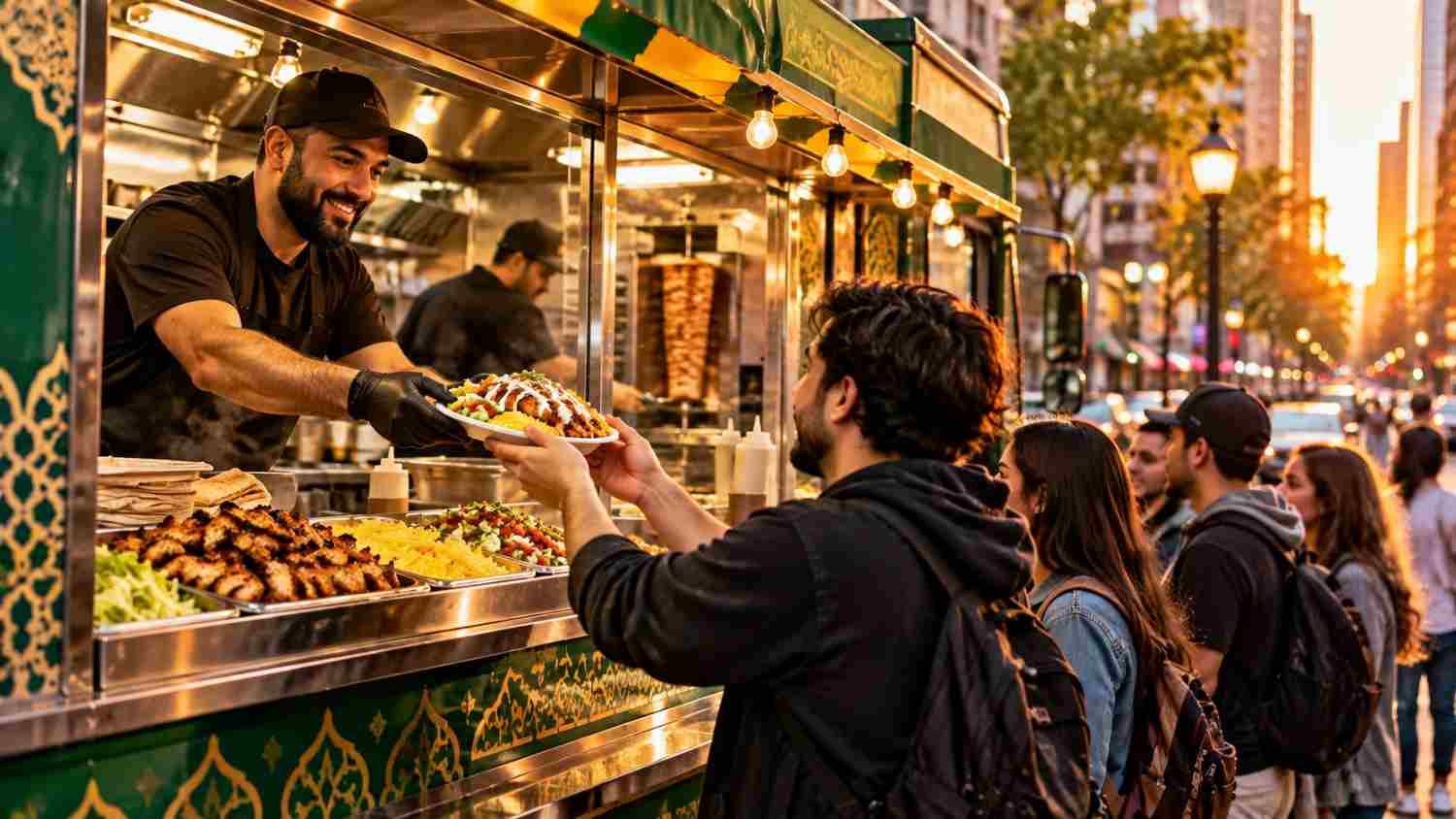
- Halal food trucks and street carts: famous in New York City, where chicken or lamb over rice with white sauce became a cultural icon, popularized by carts like The Halal Guys, which began in 1990.
- Dedicated halal restaurants: Middle Eastern, South Asian, Turkish, North African, and Southeast Asian kitchens often serve fully halal menus.
- Halal options at chains: some fast food and casual dining locations serve halal meat in certain regions. Policies vary by location, so always confirm locally.
- Halal grocery stores and butchers: useful for cooking at home with confidence.
Tips for Travelers
- Learn a few phrases for “no pork, no alcohol” in the local language.
- Look for halal logos, or Arabic script on storefronts.
- Use airports and train stations as backup options. Many have vegetarian or seafood meals when halal meat is not available.
- Download an offline map and bookmark halal spots before a trip.
Halal Food Across Popular Cuisines
Halal is not a cuisine. It is a standard that can apply to many food traditions. Here is how it connects with some popular ones, along with guides on this site that explore them further.
| Cuisine | Halal-Friendly Starting Points | What to Check |
|---|---|---|
| Greek food | Grilled lamb, chicken souvlaki, falafel, hummus, salads | Pork gyro meat, wine in sauces |
| Italian food | Margherita pizza, vegetable pasta, seafood dishes | Pancetta, prosciutto, wine, animal rennet in cheese |
| Jamaican food | Curry goat, jerk chicken (when halal), rice and peas | Pork jerk, rum-based sauces |
| Soul food | Fried fish, collard greens, cornbread, sweet potatoes | Pork seasoning in greens and beans, lard in cooking |
| True Food Kitchen | Vegetable bowls, salads, plant-forward dishes | Confirm meat sources and alcohol-based sauces |
Anyone exploring more restaurant guides can browse the full FastFoodOpen blog or return to the FastFoodOpen homepage to see what is open near them.
Halal-Friendly Dishes Worth Trying
- Shawarma and gyro plates with seasoned chicken or lamb.
- Biryani, a fragrant rice dish from South Asia.
- Kebabs and kofta from Turkish, Persian, and Arab kitchens.
- Falafel wraps for a vegetarian option.
- Chicken over rice, the signature of New York halal carts.
Halal vs. Kosher: What Is the Difference?
People often confuse the two because both avoid pork and require specific slaughter. They are separate systems with different rules.
| Feature | Halal | Kosher |
|---|---|---|
| Origin | Islamic law | Jewish dietary law (kashrut) |
| Pork | Forbidden | Forbidden |
| Alcohol | Forbidden | Generally allowed, with conditions |
| Seafood | Fish widely accepted; shellfish varies | Only fish with fins and scales |
| Meat and dairy together | Allowed | Not allowed |
| Who slaughters | A Muslim (some views also allow People of the Book) | A trained Jewish slaughterer (shochet) |
Because of the overlap, some Muslims accept kosher products when halal options are unavailable, but scholars disagree, and many prefer a halal label whenever possible.
Common Myths About Halal Food
- Myth: Halal food is a type of cuisine. Reality: it is a standard that applies across cuisines.
- Myth: Only Muslims eat halal. Reality: many customers choose halal for taste, sourcing, or convenience.
- Myth: Halal food is always spicy. Reality: flavor depends on the cuisine, not on the halal label.
- Myth: Halal and vegetarian mean the same thing. Reality: halal includes meat, though vegetarian dishes are generally halal if free of alcohol and animal-derived additives.
Frequently Asked Questions About Halal Food
What is halal food?
Halal food is food that is permissible under Islamic law. It excludes pork, alcohol, blood, and meat from animals not slaughtered according to Islamic guidelines.
What does halal food mean?
Halal is an Arabic word meaning “permissible” or “lawful.” Applied to food, it describes ingredients and preparation methods that follow Islamic dietary rules.
How can I find halal food near me?
Search maps for “halal food near me,” read recent reviews, look for a halal certificate, and call the restaurant to confirm the meat source before ordering.
Is halal food the same as kosher food?
No. They share some rules, such as avoiding pork, but they differ on slaughter, alcohol, seafood, and the mixing of meat and dairy.
Is seafood halal?
Most scholars consider fish halal. Views on shellfish vary between schools of Islamic law, so many Muslims follow their own tradition.
Conclusion: Making Halal Food Easy to Understand and Find
Halal food is built on a simple idea: eat what is permitted and prepared with care. That means avoiding pork, alcohol, and blood, choosing properly slaughtered meat, and paying attention to hidden ingredients and shared cooking surfaces.
Finding it is easier than ever. A quick search for halal food near me, a glance at recent reviews, and a short phone call can turn uncertainty into a satisfying meal. Certification adds confidence, but informed questions work just as well.
For more restaurant guides and meal ideas, explore the FastFoodOpen blog and discover what is open near you.