Hawaiian Food: Traditional Dishes, Plate Lunch Favorites & How to Find the Real Thing
A friendly, practical guide to Hawaiian food: what it is, what to order, how to spot authentic spots, and how to enjoy it at home.
Last Updated: October 6, 2026 | By Muhammad Naseem | 12 min read
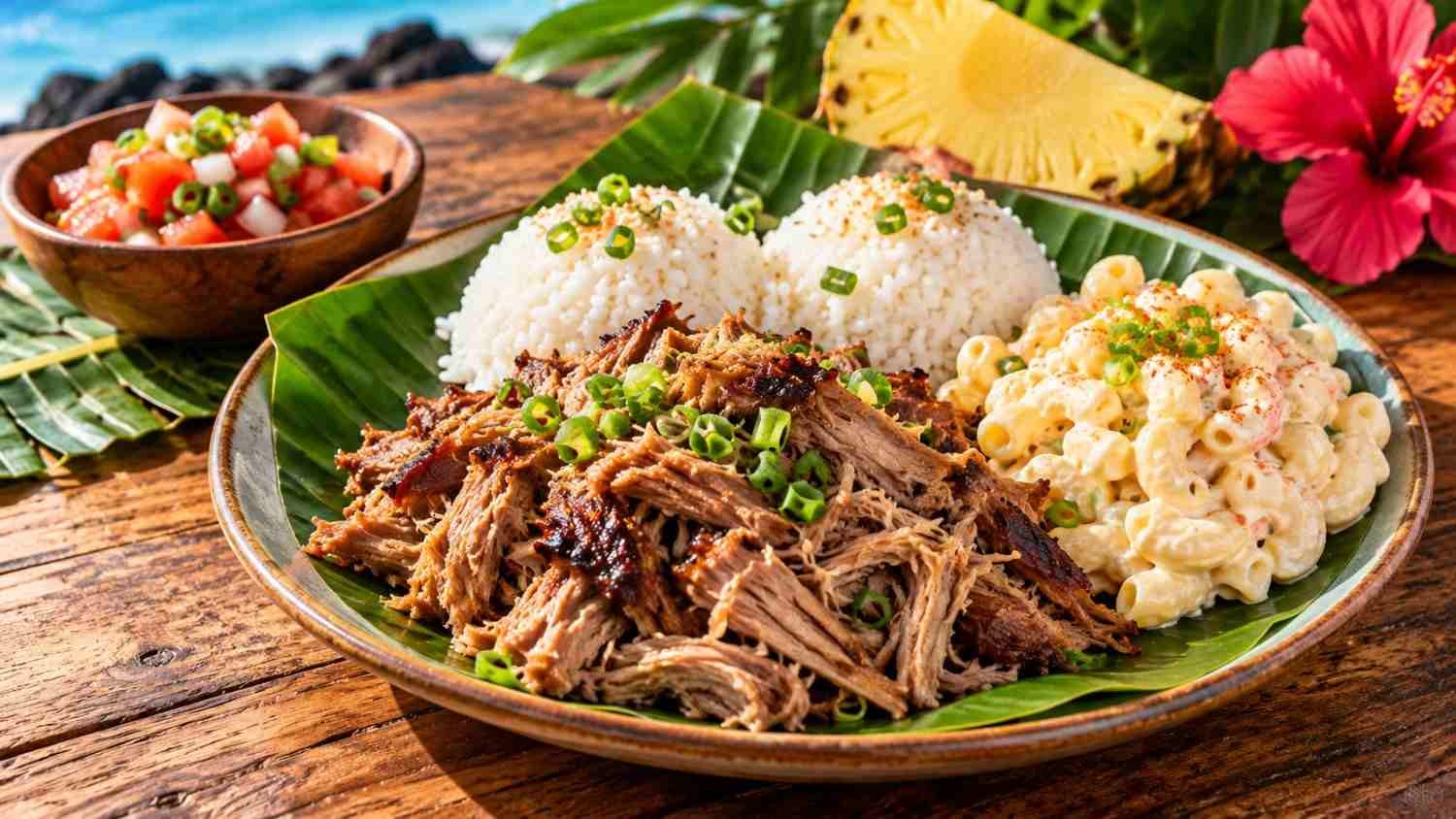
Hawaiian food is more than pineapple on pizza. It is a blend of old Polynesian cooking, plantation-era traditions, and flavors brought by Japanese, Chinese, Filipino, Korean, and Portuguese communities. The result is comfort food that is smoky, salty, sweet, and filling.
Whether someone is planning a trip to the islands or searching for hawaiian food near me on a Friday night, this guide covers the essentials. It explains the classic dishes, shows what a plate lunch looks like, and offers simple tips for ordering with confidence.
What Is Hawaiian Food?
Hawaiian food describes two related things. The first is native Hawaiian cuisine, which developed over centuries on the islands. The second is “local food,” the everyday mix of dishes people in Hawaii eat today.
Core Ingredients of Hawaiian Cuisine
- Taro (kalo): the root used to make poi and also served as steamed taro or taro leaves.
- Pork: usually slow-cooked until tender and smoky.
- Fish and seafood: ahi tuna, mahi-mahi, opihi, and salmon in lomi-lomi style.
- Sweet potato, breadfruit, and coconut: staples with deep island roots.
- Sea salt and seaweed (limu): the classic seasoning pair.
The Flavor Profile
Expect savory and smoky meat, fresh and salty fish, mild starchy sides, and sweet coconut desserts. Hawaiian food is rarely spicy. Most of the heat people notice comes from added chili water or sauces.
A Short History Behind the Plate
Polynesian voyagers brought taro, sweet potato, coconuts, pigs, and chickens to the islands more than a thousand years ago. Cooking was often done in an underground oven called an imu, which is still used for feasts called luau.
Later, sugar and pineapple plantations drew workers from Japan, China, the Philippines, Korea, and Portugal. Their lunches shaped today’s local food. Teriyaki, saimin noodles, Portuguese sweet bread, and malasadas all became part of Hawaii’s table.
Traditional Hawaiian Food List
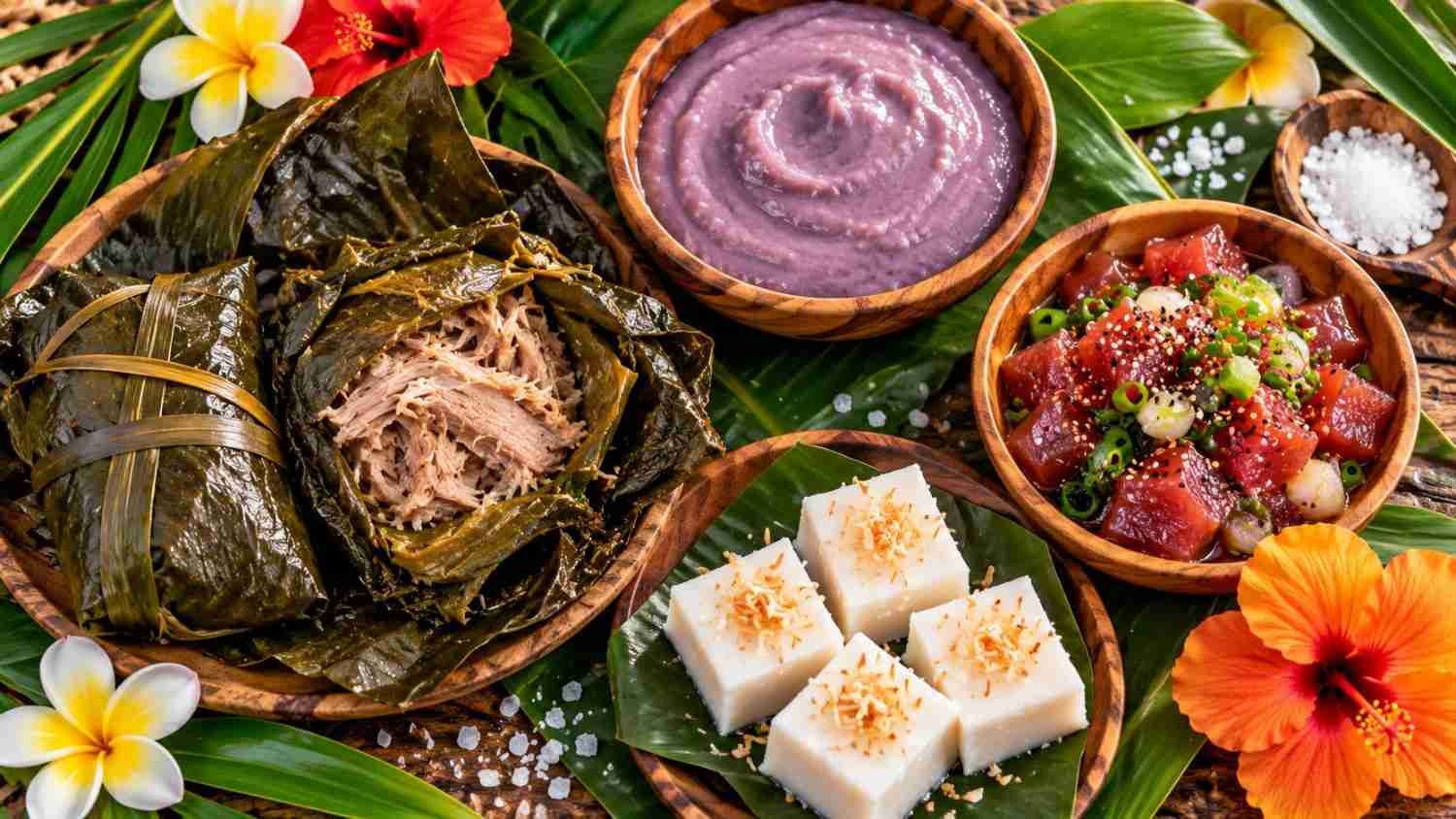
For anyone asking what is traditional Hawaiian food, these are the dishes most often served at a luau or in older Hawaiian restaurants.
| Dish | What It Is | Taste & Texture |
|---|---|---|
| Kalua Pig | Pork seasoned with sea salt and cooked slowly in an imu or oven | Smoky, salty, shreddable |
| Poi | Cooked taro pounded into a smooth paste | Mild, slightly tangy, pudding-like |
| Laulau | Pork or fish wrapped in taro leaves and steamed | Tender, earthy, rich |
| Lomi-Lomi Salmon | Salted salmon with tomato and onion | Fresh, cool, tangy |
| Poke | Cubed raw fish with sea salt, seaweed, and sesame | Clean, savory, silky |
| Haupia | Firm coconut milk pudding | Light, sweet, creamy |
| Squid Luau | Squid cooked with taro leaves and coconut milk | Creamy, mellow |
Kalua Pig
Kalua pig is the star of many Hawaiian feasts. The meat is salted, wrapped, and cooked for hours until it falls apart. Restaurants often use an oven and a touch of natural smoke flavor to copy the imu method.
Poi
Poi is a classic for a reason. It is the traditional starch of the islands, and first-timers often find the texture unusual. A good approach is to eat it in small bites with salty kalua pig or lomi-lomi salmon so the flavors balance.
Laulau
Laulau is a bundle of meat or fish wrapped in taro leaves, then steamed until soft. Many people searching for lau lau hawaiian food are looking for this exact dish. It is filling, gently savory, and best with rice.
Lomi-Lomi Salmon and Poke
These cold dishes add freshness to a heavy plate. Poke comes from a Hawaiian word meaning to slice or cut, and it has spread worldwide as bowls with rice and toppings.
Haupia
This coconut dessert is often served in squares at luaus. It is simple, lightly sweet, and a good finish after a salty meal.
Popular Local Hawaiian Dishes
Many people searching for popular Hawaiian food or typical Hawaiian food actually mean everyday local dishes rather than ancient ones. These are the favorites in restaurants and food trucks.
- Loco Moco: rice topped with a hamburger patty, fried egg, and brown gravy. It is commonly traced to Hilo in the late 1940s.
- Spam Musubi: a slice of grilled Spam on rice, wrapped in nori. Spam is a long-standing favorite in Hawaii.
- Huli Huli Chicken: grilled chicken in a sweet-savory sauce, often sold at roadside stands.
- Kalbi Short Ribs: a Korean-influenced marinated beef rib.
- Saimin: a noodle soup with broth, egg, and toppings.
- Chicken Katsu: breaded fried chicken with sauce.
- Malasadas: fluffy Portuguese-style fried dough, often rolled in sugar.
- Shave Ice: finely shaved ice with flavored syrups, a treat that differs from a standard snow cone.
The Hawaiian Plate Lunch
The plate lunch is the most recognizable way to eat Hawaiian food today. It is affordable, generous, and found at drive-ins, food trucks, and sit-down spots.
What Comes on a Standard Plate
- Two scoops of white rice
- One scoop of macaroni salad
- A main protein such as kalua pig, chicken katsu, teriyaki beef, or kalbi
Common Plate Lunch Choices
| Main | Flavor | Best For |
|---|---|---|
| Kalua Pig | Smoky and salty | Traditional taste |
| Chicken Katsu | Crispy and mild | Picky eaters, kids |
| Teriyaki Beef | Sweet and savory | First-timers |
| Kalbi Ribs | Sweet, garlicky, grilled | Meat lovers |
| Garlic Shrimp | Buttery and bold | Seafood fans |
The plate is hearty, so sharing is common. Many diners split one plate with a side of poke or a salad.
How to Find Hawaiian Food Near Me
Searching for the best Hawaiian food near me is easier with a few smart steps. Hawaiian restaurants are common in Hawaii and the West Coast, but they now appear in many other states too, including Midwest chains such as Hawaiian Bros, which started in Kansas City.
Step-by-Step Search Method
- Search with a city name. Terms like hawaiian food las vegas, hawaiian food portland, or hawaiian food san diego give sharper results than a general search.
- Check recent reviews. Look for mentions of kalua pig, laulau, or macaroni salad. Details like these suggest a real Hawaiian menu.
- Look at photos. A genuine plate lunch has rice and mac salad, not just a bowl of toppings.
- Confirm hours before going. Many small Hawaiian spots close early or sell out of popular items. Use our fast food open near me guide and the FastFoodOpen blog to plan around opening times.
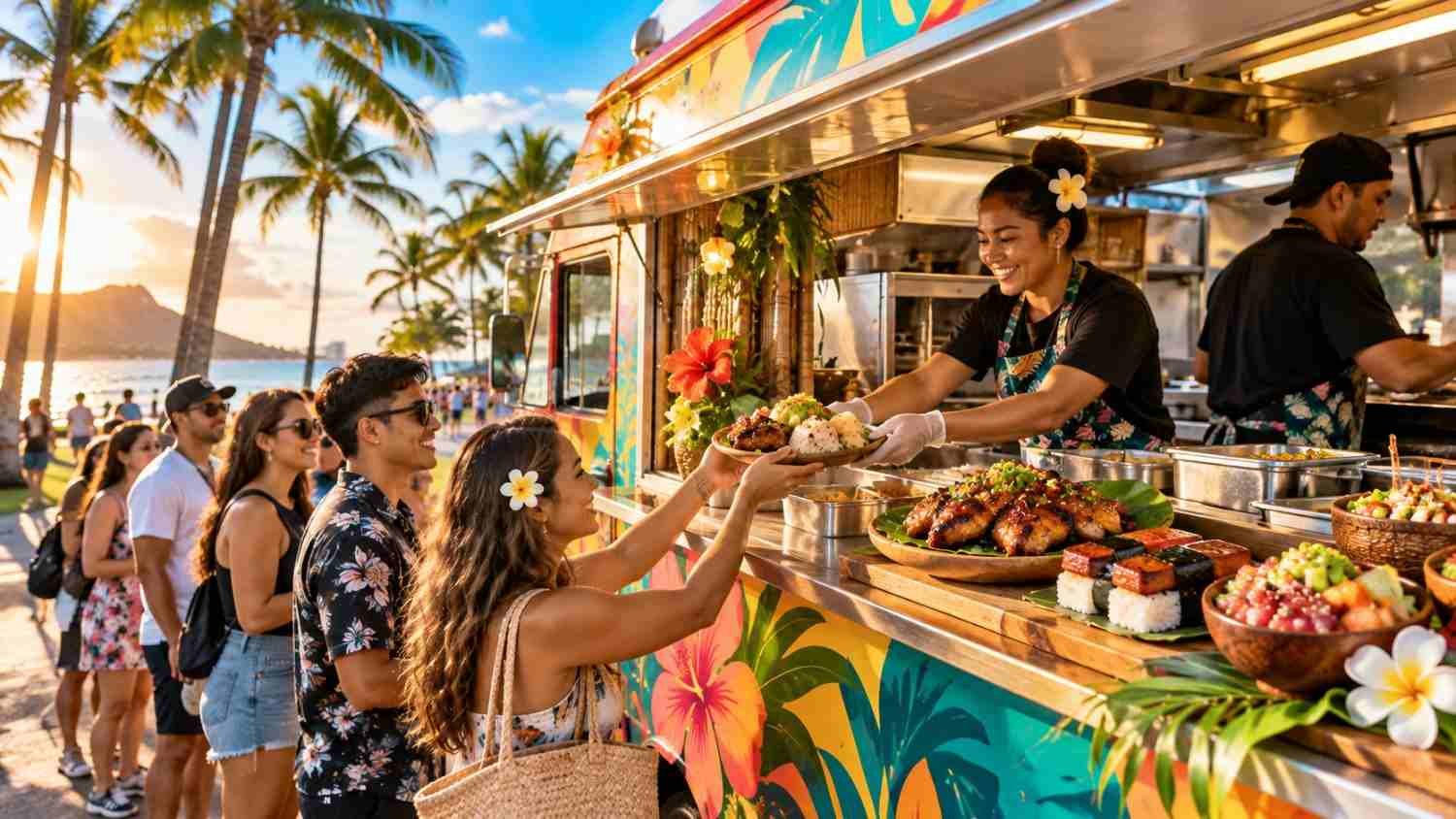
- Try a food truck. A hawaiian food truck often serves the freshest and most affordable plates.
Where Hawaiian Food Is Easiest to Find
- Hawaii itself, especially Oahu, Maui, Kauai, and the Big Island
- California, Nevada, Washington, and Oregon
- Large cities with Pacific Islander communities
- Growing fast-casual chains in many other states
For a landmark example, Helena’s Hawaiian Food in Honolulu has long been known for traditional dishes like pipikaula and laulau, and it earned a James Beard America’s Classics award.
Authentic Hawaiian Food vs. Tourist Style
People often search for authentic Hawaiian food because many menus use the word loosely. A few clues help separate the real thing from a generic island theme.
| Sign | More Authentic | More Tourist Style |
|---|---|---|
| Menu | Kalua pig, laulau, poi, lomi-lomi salmon | Mostly pineapple dishes and sugary sauces |
| Sides | Rice and macaroni salad | Fries and generic salad |
| Atmosphere | Simple counter, local families | Heavy decorations, themed drinks |
| Seasoning | Sea salt, shoyu, ginger, garlic | Overly sweet glazes |
Easy Hawaiian Food Recipes at Home
Anyone looking for hawaiian food recipes or hawaiian food ideas can start with three simple dishes. They need basic ingredients and little skill.
1. Slow Cooker Kalua Pork
- Rub a 4 to 5 lb pork shoulder with sea salt (about 1 tablespoon per pound is a common starting point).
- Add a small splash of liquid smoke.
- Cook on low for 8 to 10 hours, then shred.
- Serve with rice and cabbage.
2. Spam Musubi
- Slice and pan-fry Spam until golden, brushing with a mix of soy sauce and sugar.
- Press warm rice into a mold and top with Spam.
- Wrap with a strip of nori.
3. Simple Ahi Poke Bowl
- Cube sushi-grade ahi tuna.
- Toss with soy sauce, sesame oil, green onion, and sweet onion.
- Serve over rice with seaweed and avocado.
Hawaiian Food Compared With Other Comfort Cuisines
Hawaiian food shares its hearty, shareable spirit with several other comfort cuisines. If someone enjoys one, they may enjoy another. Explore related guides on our site:
| Cuisine | Signature Style | Read More |
|---|---|---|
| Hawaiian | Smoky pork, rice, mac salad, poke | This guide |
| Soul Food | Fried chicken, greens, mac and cheese | Soul food guide |
| Jamaican | Jerk chicken, rice and peas, plantains | Jamaican food guide |
| Greek | Gyros, souvlaki, tzatziki, feta | Greek food guide |
| Italian | Pasta, pizza, rich sauces | Italian food guide |
| Healthy Fresh | Seasonal bowls and plant-forward plates | True Food Kitchen guide |
Just like Jamaican jerk and Southern soul food, Hawaiian plates reward patience and bold seasoning. The poke bowl, meanwhile, has more in common with the fresh bowls at True Food Kitchen than with a heavy luau spread.
Practical Tips for Ordering Hawaiian Food
- Ask for a mini or half plate if portions seem large.
- Order gravy on the side if you prefer lighter meals.
- Try poi once, ideally with salty meat.
- Arrive early at food trucks, since popular items can sell out.
- Choose brown rice or a salad when offered if you want a lighter plate.
- Check for allergens like shellfish, soy, and wheat in sauces.
Frequently Asked Questions About Hawaiian Food
What is traditional Hawaiian food?
Traditional Hawaiian food includes poi, kalua pig, laulau, lomi-lomi salmon, poke, and haupia. These dishes rely on taro, pork, fish, sea salt, and coconut.
What does Hawaiian food taste like?
It is mostly savory, smoky, and salty, with mild starches and a few sweet touches. It is generally not spicy.
What is poi and is it good?
Poi is a paste made from cooked, pounded taro root. It tastes mild and slightly tangy, and many people enjoy it best alongside salty dishes.
What is in a Hawaiian plate lunch?
A plate lunch usually includes two scoops of rice, one scoop of macaroni salad, and a main like kalua pig, chicken katsu, or teriyaki beef.
How do I find the best Hawaiian food near me?
Search with your city name, read recent reviews for dishes like kalua pig and laulau, view photos, and confirm opening hours before you go.
Conclusion: Why Hawaiian Food Deserves a Place on Your Table
Hawaiian food brings together island tradition and the everyday flavors of many cultures. From kalua pig and laulau to loco moco and Spam musubi, each dish tells part of Hawaii’s story.
The easiest way to start is simple: order a plate lunch, add a side of poke, and try a bite of poi. Anyone searching for hawaiian food near me can use the tips above to spot authentic menus and avoid disappointment.
Keep exploring with more guides on FastFoodOpen, browse the latest posts in our blog, or compare similar comfort cuisines like soul food and Jamaican food.