Cuban Food: A Complete Guide to Dishes, History, and Where to Eat
What Cuban food is, which traditional dishes to try first, and how to find authentic Cuban food near you.
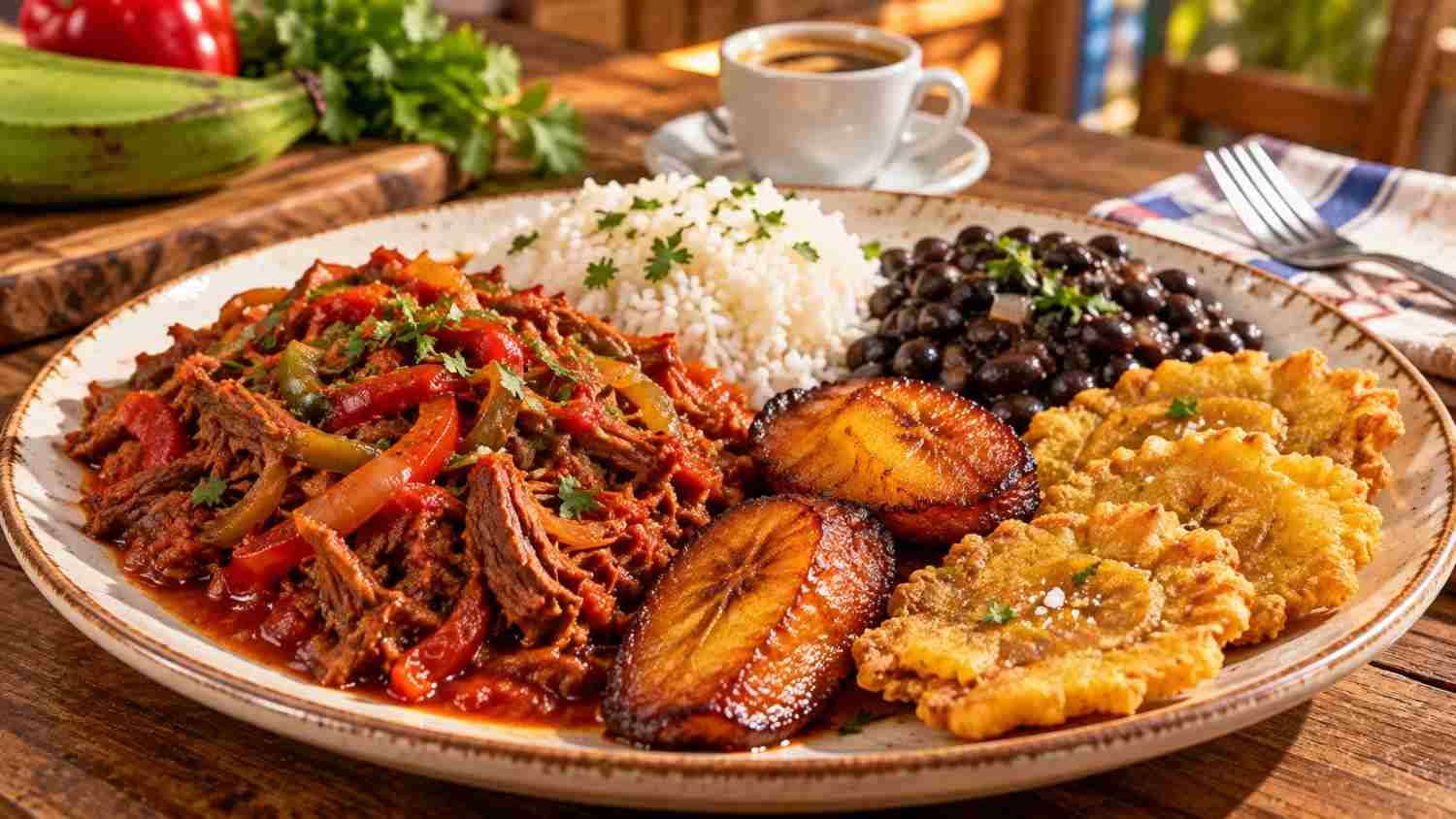
Few cuisines are as comforting as Cuban food. Think of pork roasted until it falls apart, black beans simmered with garlic, sweet fried plantains, and a tiny cup of espresso that wakes up the whole table. It is hearty, affordable, and full of flavor without being fiery.
This guide covers everything a curious eater needs: what Cuban food is, the most popular dishes, how a Cuban sandwich is built, what to order on a first visit, and how to spot an authentic restaurant. It also includes simple recipes for home cooks and answers to the questions people search for most.
What Is Cuban Food?
Cuban cuisine is a blend of cultures that met on one island. Spanish colonists brought pork, olive oil, garlic, and rice. Enslaved Africans contributed cooking techniques and staples like plantains and root vegetables. The Taíno people already grew and cooked yuca (cassava), corn, and sweet potato. Over centuries, these traditions merged into what is now simply called Cuban food.
It is a cuisine of the home kitchen. Most dishes are slow-simmered or roasted, built on a few reliable ingredients, and meant to feed a family. That is why a plate at a Cuban restaurant often arrives as a generous combination of meat, rice, beans, and a fried side.
The Flavor Foundations
Almost every traditional Cuban recipe starts with the same building blocks:
- Sofrito: onion, green bell pepper, and garlic cooked in oil until soft and fragrant.
- Mojo: a garlic sauce made with sour orange (or orange plus lime juice), olive oil, and spices. It marinates pork and dresses yuca.
- Cumin, oregano, and bay leaf: the dry seasonings that give Cuban stews their signature aroma.
- Olives, capers, and raisins: used in dishes like picadillo for a salty-sweet balance.
Traditional Cuban Food: Must-Try Main Dishes
If you are exploring traditional Cuban food for the first time, these are the plates that define the cuisine. They appear on nearly every menu, from small family cafés to big dining rooms.
Ropa Vieja
Often called Cuba’s national dish, ropa vieja is shredded flank steak simmered in a tomato-based sauce with peppers and onions. The name means “old clothes,” a nod to the shredded texture. It is tender, mildly tangy, and perfect over white rice.
Lechón Asado
Lechón asado is roast pork marinated in mojo and cooked low and slow until the meat is juicy and the edges are crisp. It is a centerpiece of celebrations, especially Nochebuena (Christmas Eve), and a favorite filling for sandwiches.
Picadillo
Picadillo is seasoned ground beef cooked with tomato, olives, and often raisins. It is an easy weeknight dish at home and a great entry point for first-timers because the flavors are familiar and balanced.
Vaca Frita
Vaca frita (“fried cow”) is shredded beef that is marinated in lime and garlic, then pan-fried with onions until crispy. If ropa vieja is saucy and soft, vaca frita is crunchy and zesty.
Arroz con Pollo
This one-pot dish cooks chicken and rice together with sofrito, saffron or annatto for color, and sometimes beer. It is a reliable family-style favorite.
Other Popular Plates
- Bistec de palomilla: thin beef steak marinated in lime and garlic, topped with onions.
- Masitas de puerco: fried chunks of marinated pork.
- Pollo a la plancha: grilled chicken, often served with mojo.
- Fricasé de pollo: chicken stewed in a savory tomato sauce with potatoes.
Comparing the Most Popular Cuban Mains
| Dish | Main Ingredients | Texture and Flavor | Best For |
|---|---|---|---|
| Ropa vieja | Shredded beef, tomato, peppers | Soft, saucy, mildly tangy | First-timers, rice lovers |
| Lechón asado | Pork, mojo (garlic and citrus) | Juicy, garlicky, crisp edges | Pork fans, celebrations |
| Picadillo | Ground beef, olives, raisins | Savory with a sweet-salty twist | Families, kids |
| Vaca frita | Beef, lime, garlic, onion | Crispy, zesty | Anyone who likes crunch |
| Arroz con pollo | Chicken, rice, sofrito | Hearty, one-pot comfort | Group meals |
Classic Cuban Sides You Should Not Skip
In Cuban cooking, the sides are nearly as important as the meat. A typical plate is built around rice and beans.
- Moros y cristianos: black beans cooked together with white rice. The name, “Moors and Christians,” refers to the black-and-white look. A related dish, congrí, uses red beans and is especially associated with eastern Cuba.
- Tostones: green plantains sliced, fried, smashed flat, and fried again until crisp. Salty and sturdy, they pair well with mojo.
- Maduros: ripe plantains fried until caramelized and sweet. They balance rich, savory meats beautifully.
- Yuca con mojo: boiled cassava topped with warm garlic-citrus sauce.
- Ensalada: a simple salad of lettuce, tomato, and sometimes avocado with a light vinegar dressing.
Cuban Sandwiches and Snacks
The Cuban Sandwich
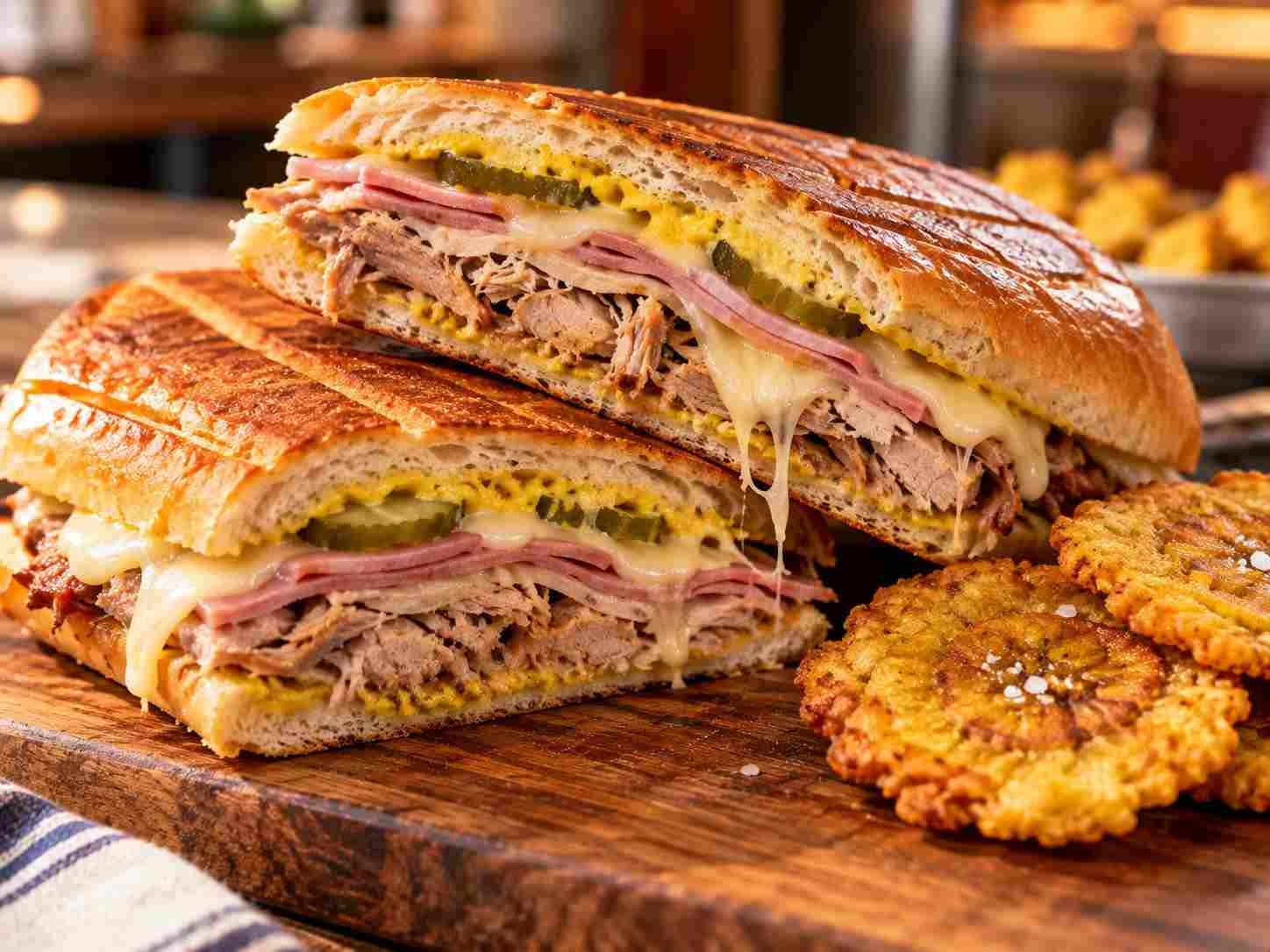
The Cuban sandwich is the most famous Cuban food in the United States. It is made on soft Cuban bread with roast pork, sliced ham, Swiss cheese, pickles, and mustard, then pressed on a hot plancha until crisp and melty.
Regional versions exist. Tampa’s version, associated with Ybor City, adds Genoa salami, a nod to the area’s Italian immigrant history. Miami’s version usually skips it. Tampa officially recognized the Cuban sandwich as its signature sandwich in 2012, and the friendly rivalry over the “right” recipe continues today.
| Feature | Miami-Style | Tampa-Style |
|---|---|---|
| Meats | Roast pork, ham | Roast pork, ham, Genoa salami |
| Cheese | Swiss | Swiss |
| Extras | Pickles, mustard | Pickles, mustard |
| Bread | Cuban bread, pressed | Cuban bread, pressed |
Other Sandwiches and Bites
- Medianoche (“midnight”): similar fillings to a Cuban sandwich on sweeter, softer egg bread.
- Croquetas: creamy, crispy fritters filled with ham or chicken.
- Empanadas: pastry pockets filled with beef, chicken, or cheese.
- Pastelitos: flaky pastries, most famously filled with guava and cream cheese.
- Tamales: Cuban-style corn tamales, often softer and stewier than Mexican tamales.
Cuban Desserts and Drinks
Desserts
- Flan: silky caramel custard, the classic way to end a meal.
- Tres leches: sponge cake soaked in three kinds of milk.
- Arroz con leche: creamy rice pudding with cinnamon.
- Guava and cheese: a simple pairing known as a favorite snack.
Coffee and Drinks

- Café cubano: strong, sweet espresso served in a small cup. The sugar is whipped with the first drops of coffee to create a light foam called espumita.
- Cortadito: café cubano cut with a splash of steamed milk.
- Café con leche: espresso with plenty of hot milk, often a breakfast drink.
- Colada: a larger serving of café cubano meant for sharing, served with tiny cups.
- Batidos: fruit shakes, with mamey and mango among the favorites.
- Cuba libre: rum and cola with lime, the island’s best-known cocktail.
Cuban Food Names Glossary
Menus can be confusing if you do not speak Spanish. Here is a quick cheat sheet for common Cuban food names:
- Arroz: rice
- Frijoles negros: black beans
- Puerco / cerdo: pork
- Res: beef
- Pollo: chicken
- Plátanos: plantains
- Yuca: cassava root
- Al ajillo: cooked in garlic sauce
- A la plancha: grilled on a flat-top
- Combinación / plato del día: combo plate or daily special
Cuban Food in Miami, Tampa, and Near You
Cuban cuisine traveled to the United States with generations of Cuban immigrants. The Pew Research Center estimated around 2.4 million Hispanics of Cuban origin lived in the U.S. in 2021, with Florida home to the largest share. That history is why the best-known Cuban food scenes are in Florida, though Cuban restaurants now appear in cities across the country.
Cuban Food in Miami
Miami is the heart of Cuban American cooking. Little Havana’s Calle Ocho is famous for walk-up coffee windows (ventanitas), bakeries, and sit-down restaurants, while Hialeah and Westchester are known for neighborhood spots frequented by locals. Versailles, which opened in Little Havana in 1971, is one of the city’s best-known Cuban dining rooms.
- Order a cortadito at a ventanita like locals do.
- Try a pastelito and a croqueta for a cheap, fast breakfast.
- Expect lunch specials (“plato del día”) at very reasonable prices.
Cuban Food in Tampa
Tampa’s Ybor City grew around cigar factories staffed by Cuban, Spanish, and Italian immigrants. That mix explains the salami in the local Cuban sandwich. Columbia Restaurant, founded in Ybor City in 1905, is among the best-known historic restaurants in the region.
Cuban Food Near Me
Not in Florida? Cuban restaurants exist in cities such as New Jersey’s Union City area, New York, Chicago, Houston, Las Vegas, and many mid-sized cities like Wichita, Kansas. Smaller markets often have one or two family-run spots, so a little searching pays off.
How to Spot Authentic Cuban Food (and the Best Cuban Food Near Me)
“Authentic” can mean different things, but a few signs point to a kitchen that takes Cuban cooking seriously:
- The menu includes classics. Look for ropa vieja, lechón asado, picadillo, and vaca frita, not just a single sandwich.
- The bread is right. Cuban bread has a thin crisp crust and a soft, airy inside, and is pressed fresh for sandwiches.
- Café cubano is on the menu, ideally served in small cups from a proper espresso machine.
- Beans and rice are handled with care. Black beans should taste of garlic and cumin, not just salt.
- Locals are eating there. Spanish spoken at the counter and lunchtime crowds are good signs.
- Daily specials exist. A rotating “plato del día” suggests home-style cooking.
A First-Timer’s Ordering Guide
- Starter: croquetas or empanadas.
- Main: ropa vieja or lechón asado with moros y cristianos and maduros.
- Sandwich option: a classic Cuban sandwich with a side of tostones.
- Dessert: flan.
- Drink: a cortadito or café con leche.
Cuban Food Delivery Tips
Craving Cuban food at home? Delivery works well for stews and roasted meats, which hold their heat. Fried items travel less well. These tips help:
- Order mains with rice and beans, which keep their texture and flavor.
- Ask for mojo and any sauces on the side so sandwiches and yuca stay fresh.
- Tostones and croquetas are best eaten quickly, so choose pickup if you live farther away.
- Reheat sandwiches in a skillet or sandwich press, not the microwave, to restore the crisp crust.
- Check delivery apps and the restaurant’s own site, as ordering direct is sometimes cheaper.
Cuban Food Recipes You Can Make at Home
You do not need special equipment to cook Cuban food. Two recipes cover the essential flavors.
Quick Mojo Sauce
- 8–10 garlic cloves, minced
- 1/2 cup olive oil, warmed gently
- 1/2 cup sour orange juice (or 1/3 cup orange juice plus 3 tablespoons lime juice)
- 1 teaspoon cumin, 1 teaspoon oregano, salt to taste
Pour the warm oil over the garlic so it sizzles, then whisk in the juice and seasonings. Use it as a marinade for pork or spoon it over boiled yuca.
Easy Picadillo
- Cook a diced onion, a green pepper, and 4 minced garlic cloves in oil until soft.
- Add 1 pound ground beef and brown it.
- Stir in 8 ounces tomato sauce, 1 teaspoon cumin, 1 teaspoon oregano, and a bay leaf.
- Add about 1/3 cup chopped green olives and 1/4 cup raisins.
- Simmer 20–25 minutes, season with salt, and serve over rice with fried plantains.
Cuban Food vs Other Cuisines
If you enjoy Cuban food, you may like other comfort-driven cuisines that rely on slow cooking, rice, and bold seasoning. Here is how a few compare:
| Cuisine | Shared Ground with Cuban Food | Key Difference |
|---|---|---|
| Soul food | Slow-cooked meats, beans, hearty sides | Collard greens, cornbread, and fried chicken take center stage |
| Jamaican food | Caribbean roots, rice and beans, plantains | Jerk spice and scotch bonnet heat |
| Italian food | Garlic, olive oil, tomato-based sauces | Pasta and cheese, not rice and beans |
| Greek food | Olives, lemon, oregano, roasted meats | Lamb, feta, and yogurt-based sauces |
| Hawaiian food | Slow-roasted pork, rice-based plates | Poke, taro, and Pacific flavors |
Looking for lighter, ingredient-focused dining instead? Take a look at True Food Kitchen, and browse more guides on our food blog.
To learn more about the cuisine’s history and regional variations, see the overviews of Cuban cuisine and the Cuban sandwich on Wikipedia.
Frequently Asked Questions About Cuban Food
What is Cuban food?
Cuban food is the home-style cuisine of Cuba, built on Spanish, African, and Taíno influences. It features slow-cooked meats, rice and beans, plantains, garlic-citrus mojo, and sofrito seasoning. It is flavorful rather than spicy-hot.
What is traditional Cuban food?
Traditional Cuban dishes include ropa vieja, lechón asado, picadillo, vaca frita, arroz con pollo, moros y cristianos, tostones, maduros, and yuca con mojo. Meals are usually served with Cuban bread and finished with strong café cubano.
Is Cuban food spicy?
No. Cuban food relies on garlic, cumin, oregano, citrus, and bay leaf. It is savory and aromatic, not hot. Hot sauce is typically optional.
What should I order at a Cuban restaurant for the first time?
Start with a Cuban sandwich or a plate of ropa vieja or lechón asado with moros y cristianos and maduros. Finish with flan and a cortadito for the full experience.
How do I find authentic Cuban food near me?
Search “Cuban food near me” and check for classic dishes on the menu, fresh Cuban bread, café cubano, a daily special, and recent reviews that mention consistent flavor and local regulars. Confirm opening hours before you go.
Conclusion: Why Cuban Food Deserves a Spot on Your Table
Cuban food proves that simple ingredients, cooked patiently, can be unforgettable. From ropa vieja and lechón asado to crispy tostones, a perfectly pressed Cuban sandwich, and a cup of sweet café cubano, the cuisine offers comfort and variety for nearly every taste.
Whether you are exploring traditional Cuban food in Miami or Tampa, searching for the best Cuban food near you, or cooking mojo and picadillo at home, the tips above will help you order with confidence. Try one new dish at a time, ask questions about ingredients, and let the garlic and citrus do the rest. Explore more cuisine guides on the FastFoodOpen blog or visit our homepage to find places open near you.