Fish Food: The Complete Guide to Choosing the Best Food for Every Fish
Flakes, pellets, frozen and live options explained, with feeding schedules for betta, goldfish, koi, tropical, guppy, puffer and pond fish.
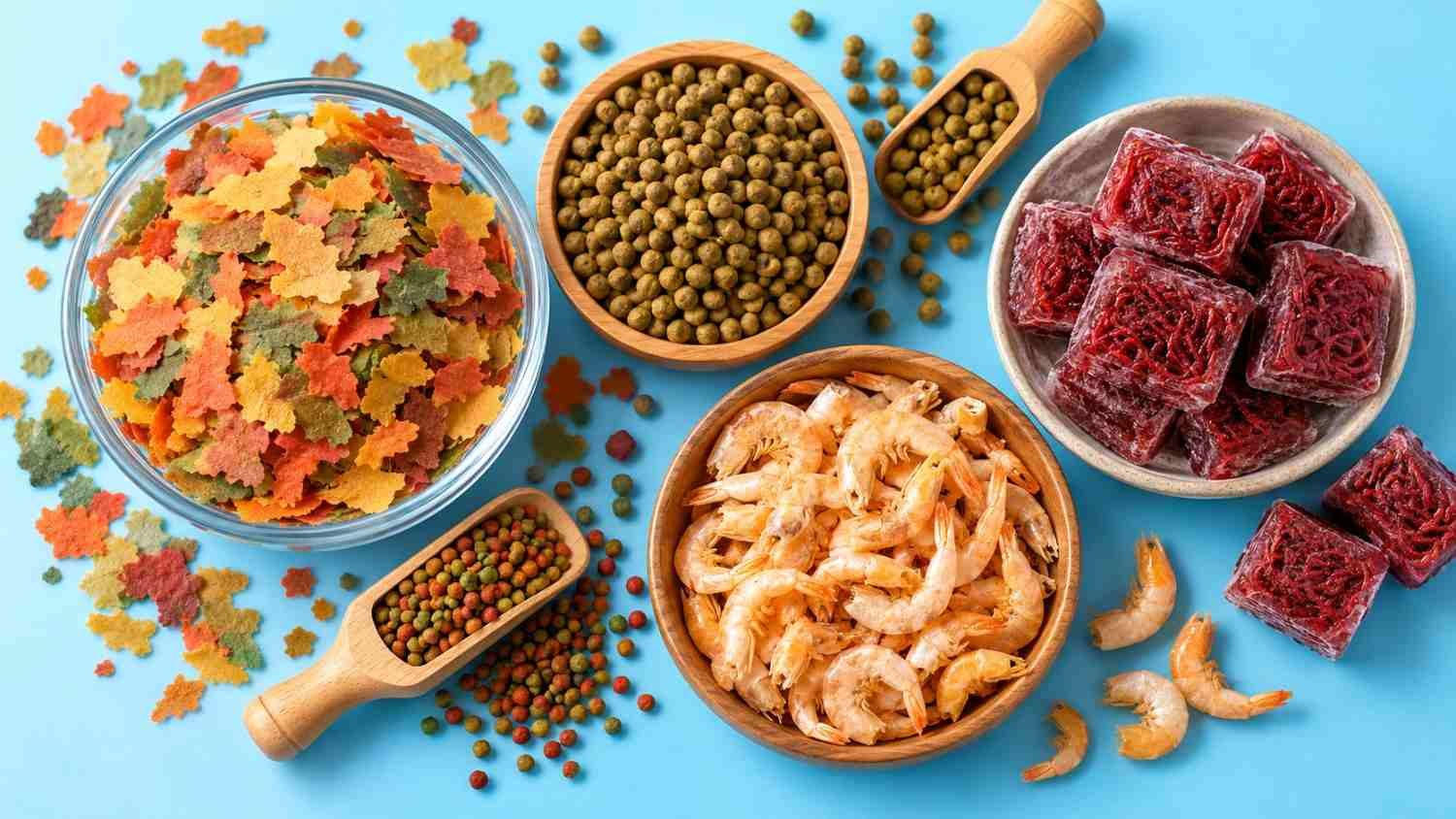
Walk into any pet store and the fish food aisle can feel like a maze. There are flakes, sinking pellets, freeze-dried cubes, frozen blocks and jars of live brine shrimp. Every label promises vibrant color and a long life. So which fish food is actually right for your tank or pond?
The short answer is that the best fish food matches the species, its mouth size, its natural diet and the way it feeds. This guide breaks it down in plain language, with practical examples, comparison tables and feeding tips you can use today.
What Is Fish Food and What Is It Made Of?
Fish food is a prepared diet designed to give aquarium and pond fish the protein, fats, carbohydrates, vitamins and minerals they would find in the wild. Most commercial formulas are built from a mix of fish meal, shrimp or krill, algae such as spirulina, wheat or other grains, and added vitamins.
Not every fish eats the same way. Understanding three feeding groups makes shopping much easier:
- Carnivores (for example puffers and many cichlids) need a high-protein diet from animal sources.
- Herbivores (such as some plecos and mollies) need plant matter and algae.
- Omnivores (goldfish, guppies, most tetras and koi) eat both and do best on balanced formulas.
Matching the diet to the group is the foundation of fish health, and it is the first thing experienced aquarists check.
Types of Fish Food Compared
Each format has strengths. Many keepers combine two or three for a more complete diet.
| Type | Best for | Pros | Watch out for |
|---|---|---|---|
| Fish food flakes | Small, surface-feeding fish (guppies, tetras, danios) | Affordable, easy to portion, widely available | Lose nutrients after opening; can cloud water if overfed |
| Pellets (floating or sinking) | Betta, goldfish, cichlids, koi | Less mess, available in many sizes | Dry pellets can swell in the stomach if fed too much |
| Frozen fish food | Almost all species, especially picky eaters and carnivores | Close to natural prey, high acceptance | Needs freezer space; thaw before feeding |
| Freeze-dried | Betta, tropical fish, puffers (as a treat) | Long shelf life, convenient | Soak first to avoid swelling; not a complete diet alone |
| Live food | Conditioning breeders, wild-caught or fussy fish | Triggers natural hunting behavior | Can introduce parasites if the source is not reliable |
| Gel and wafer foods | Bottom feeders, plecos, shrimp | Sinks, targets algae eaters | Remove leftovers quickly |
Betta Fish Food: What Bettas Really Eat
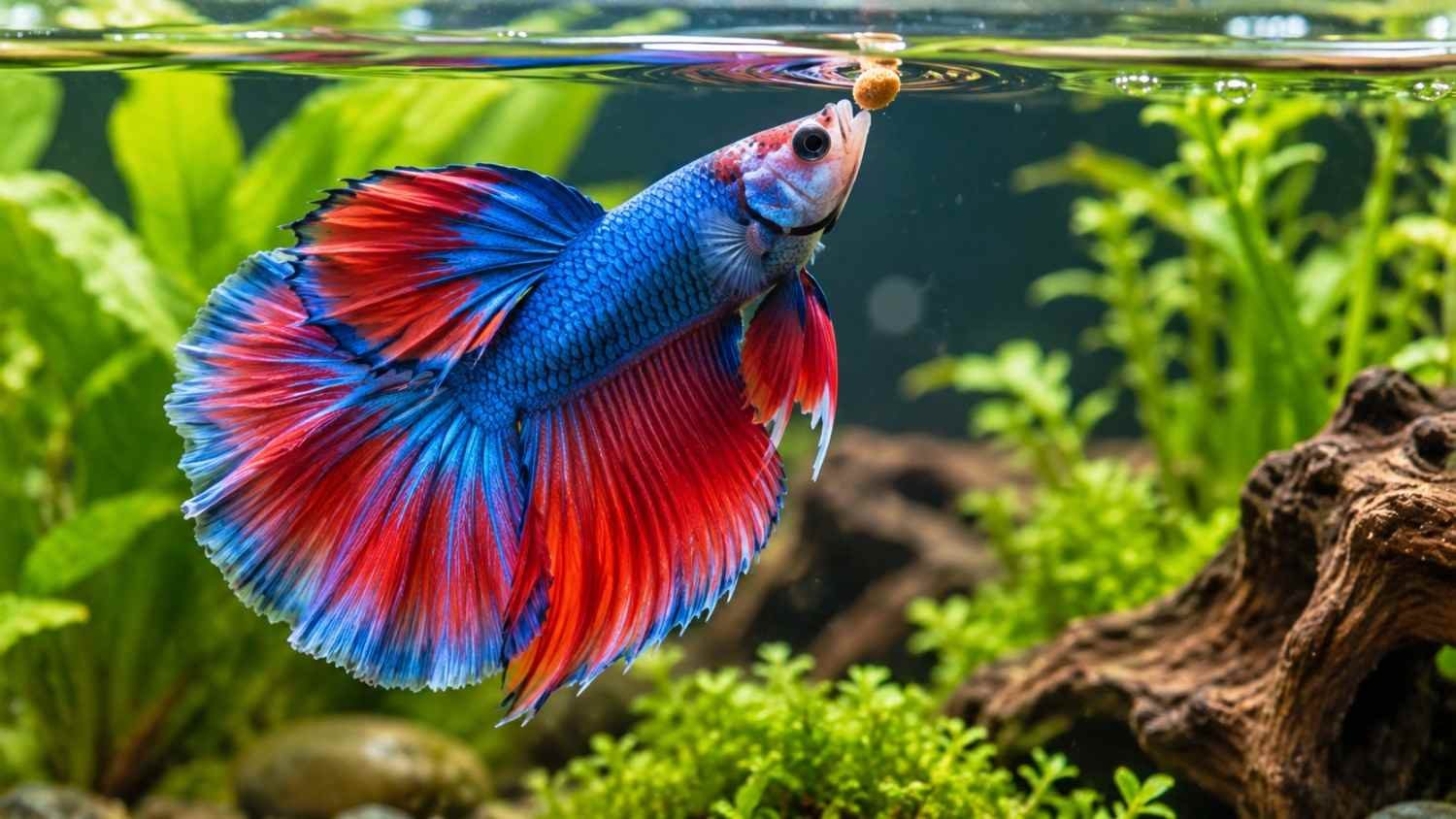
Searches for betta fish food (and the common misspelling beta fish food) are very popular, and for good reason. Bettas are carnivores that naturally eat insects and larvae. A cheap flake with plenty of filler is not ideal for them.
What to look for
- Protein-rich ingredients such as fish meal, shrimp or insect meal listed first.
- Small floating pellets sized for a betta’s upturned mouth.
- Occasional treats like frozen bloodworms or brine shrimp.
Feeding example
A common routine is two to four small pellets, once or twice a day, with one fasting day per week. Owners often notice better digestion and less bloating when portions stay small.
Goldfish Food: Flakes, Pellets and Greens
Searches for gold fish food usually mean one thing: the owner wants a diet that keeps these omnivores healthy without fouling the tank. Goldfish produce a lot of waste, so a quality formula matters.
- Sinking pellets help prevent goldfish from gulping air at the surface, which can contribute to buoyancy problems in fancy varieties.
- Soaked pellets are gentler on digestion.
- Fresh greens such as blanched peas (shelled), spinach or lettuce add fiber.
Feed small portions once or twice daily. If uneaten food remains after a couple of minutes, reduce the amount next time.
Koi Fish Food and Pond Fish Food
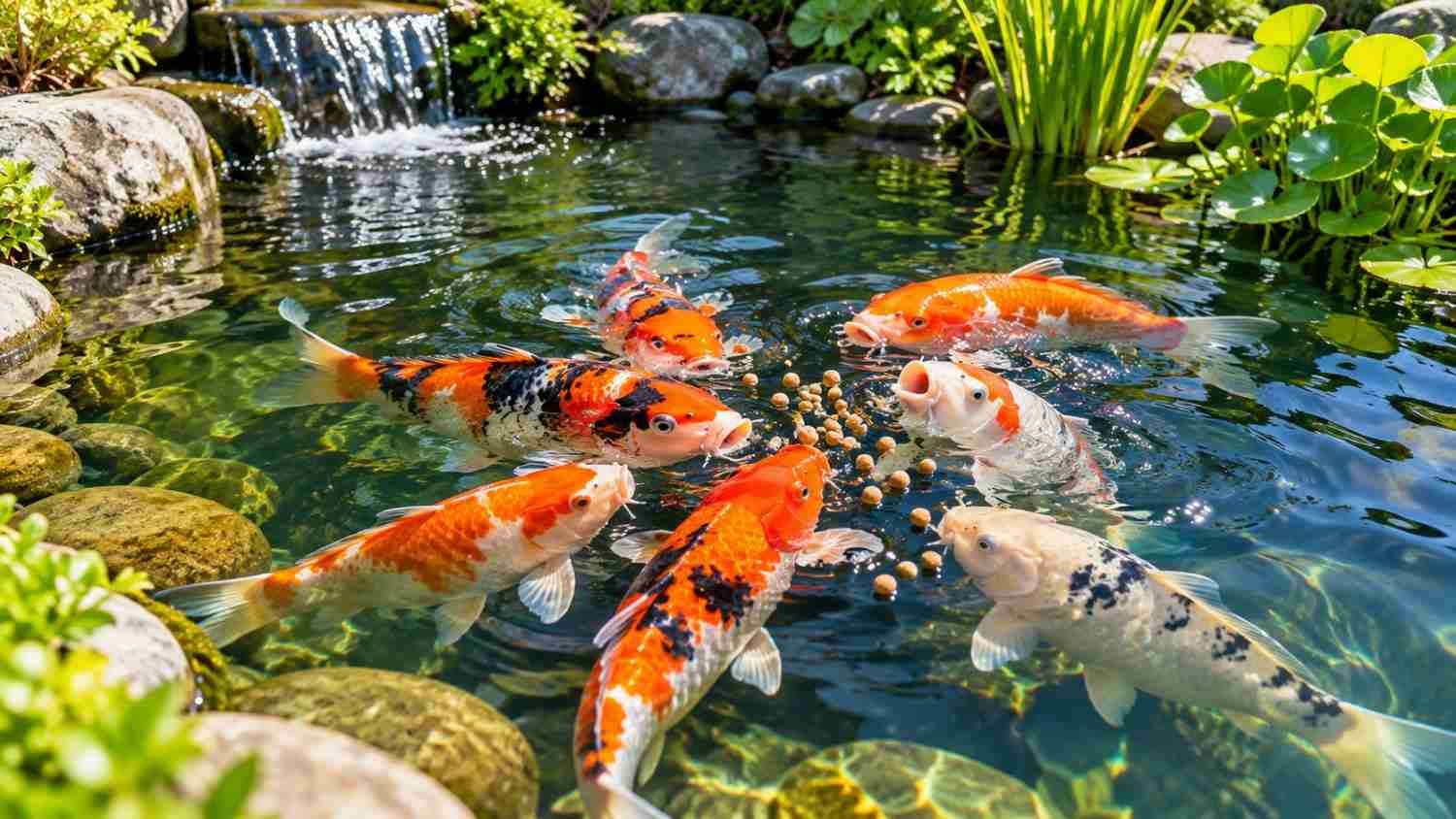
Outdoor fish feed differently from indoor aquarium fish because water temperature controls their metabolism. That makes the season just as important as the brand.
Koi fish food by season
- Warm water: a high-protein growth or color formula supports activity and development.
- Cooling water: switch to an easily digestible wheat germ formula.
- Cold water: when the pond drops to roughly 50°F (10°C) or lower, most keepers stop regular feeding because the fish cannot digest food properly.
Choosing pond fish food
Floating pellets let you watch how much is eaten and remove excess. A mixed pond with goldfish, koi and shubunkins usually does well on a quality all-round floating pellet matched to the smallest fish’s mouth size.
Tropical Fish Food: Tetra, Guppy and Community Tanks
For community tanks, a good tropical fish food flake is the usual starting point. Small fish such as neon tetras, guppies and rasboras eat from the upper and middle water levels, so flakes and micro pellets suit them well.
Guppy fish food types
- Fine flakes or micro granules suited to small mouths.
- Spirulina-enriched formulas for plant content.
- Baby brine shrimp or crushed flakes for fry.
Tetra fish food
Tetra is one of the best-known fish food brands in the world, and its flakes are a popular choice for general community tanks. As with any brand, check that the formula matches your fish’s diet rather than choosing by name alone.
Best tropical fish food: how to choose
- Pick a formula aimed at your fish’s feeding group (omnivore, carnivore or herbivore).
- Check particle size against mouth size.
- Make sure protein and fat levels suit the species.
- Rotate in frozen food for variety.
Puffer Fish Food
Puffer fish food is a specialist topic. Many puffers are carnivores with teeth that grow continuously, so they need hard-shelled foods such as snails to keep them worn down.
- Offer snails, clams, mussels and shrimp with shells.
- Use frozen foods rather than only dry pellets.
- Research your exact species first, because needs differ between freshwater and brackish types.
How Much and How Often Should You Feed Fish?
A widely used guideline is to give only what fish consume in about two minutes. Young fish and fry usually eat more often, while adult fish can often be fed once or twice a day.
| Fish | Typical frequency | Good staple |
|---|---|---|
| Betta | 1 to 2 small feedings daily | Protein-rich pellets |
| Goldfish | 1 to 2 times daily | Sinking pellets plus greens |
| Guppies and tetras | 1 to 2 times daily | Fine flakes or micro pellets |
| Koi (warm water) | 1 to several small meals daily | Floating pellets |
| Puffers | Daily or every other day (species dependent) | Frozen foods and shelled prey |
Signs of overfeeding
- Cloudy water or a greasy film on the surface.
- Food settling on the substrate.
- Rising ammonia or nitrate in test results.
- Stringy or excess waste.
Tips if you travel
Healthy adult fish can usually handle a short break without feeding. For longer trips, ask a trusted friend to use pre-portioned feeding packs rather than dumping in extra food.
How to Read a Fish Food Label
Labels reveal more than the front of the package. Here is what to check:
- Ingredient order: ingredients are listed by weight, so a named protein (fish, shrimp, krill) near the top is a good sign.
- Guaranteed analysis: shows minimum protein and fat and maximum fiber and moisture.
- Preservatives: look for clear information on how the food is preserved.
- Pellet size and sink rate: match them to your fish’s mouth and feeding level.
- Freshness: buy sizes you can finish within a few months, because vitamins degrade after opening.
Popular Brands: Tetra, Hikari and Others
You will see a few names again and again. Rather than naming one best brand, compare what each line offers.
| Brand type | Known for | Good fit |
|---|---|---|
| Tetra | Wide range of flakes and community-tank foods | Beginners and mixed tanks |
| Hikari | Specialized lines for betta, cichlids, goldfish and koi | Keepers wanting species-specific formulas |
| Grain-free carnivore formulas | Higher animal protein and fewer fillers | Carnivorous and predatory fish |
| Store brands | Lower price | Occasional variety; read the label first |
If you are searching for fish food near me, local aquarium shops often carry frozen and live options that big-box stores do not, and staff can help with species-specific advice.
Other Things People Mean by “Fish Food”
The phrase has a few other meanings that show up in search results.
Fish food ice cream
Fans of Ben & Jerry’s know Phish Food, a chocolate ice cream with marshmallow and caramel swirls and fudge fish. Searches such as “fish food ice cream” and “fish food Ben and Jerry” are about the dessert, not aquarium food.
Fly fish food
Anglers searching fly fish food are usually asking what trout and other fish eat so they can match the hatch, such as insects, nymphs and small baitfish. It is a fishing topic rather than a product.
Looking for fish to eat?
If you were hoping for a seafood dinner, these cuisine guides on our site are a better place to start:
- Soul food for classics like fried fish plates.
- Jamaican food for dishes such as escovitch fish.
- Hawaiian food for poke and other island seafood.
- Greek food for grilled fish and Mediterranean sides.
- Italian food for seafood pasta and coastal favorites.
- Halal food if you want seafood from halal-friendly restaurants.
- True Food Kitchen for lighter, seafood-friendly menu ideas.
You can also browse more guides on the FastFoodOpen blog or return to the FastFoodOpen homepage.
Common Fish Feeding Mistakes to Avoid
- Feeding the same food every day with no variety.
- Using oversized pellets for small fish.
- Leaving uneaten food in the tank.
- Buying huge containers that go stale.
- Ignoring temperature when feeding pond fish.
- Giving human food scraps, which can foul water and lack proper nutrition.
Fish Food FAQs
What is the best fish food for beginners?
A quality flake or small pellet made for your fish type is the easiest start. Add a frozen food such as brine shrimp once or twice a week for variety.
How often should I feed my fish?
Most adult aquarium fish do well with one or two small feedings a day. Offer only what they finish in about two minutes.
Can fish go a few days without food?
Healthy adult fish can usually manage a short break of a few days. Overfeeding before you leave is riskier than a brief fast.
Is frozen fish food better than flakes?
Frozen food is closer to natural prey and is often accepted by picky eaters. Flakes are convenient and balanced. Using both gives the best results.
How do I know if I am overfeeding?
Uneaten food on the bottom, cloudy water and rising ammonia or nitrate readings are the usual warning signs. Cut portions and increase water changes.
Conclusion
The best fish food is the one that fits your fish. Start with a species-appropriate flake or pellet, add frozen or live treats for variety, and keep portions small. Match the formula to whether your fish are betta, goldfish, koi, tropical, guppy or puffer, and adjust pond feeding by water temperature.
Check labels, store food properly and watch your fish after meals. Healthy appetite, bright color and clear water are the best signs you chose well. For more guides, visit the FastFoodOpen blog.